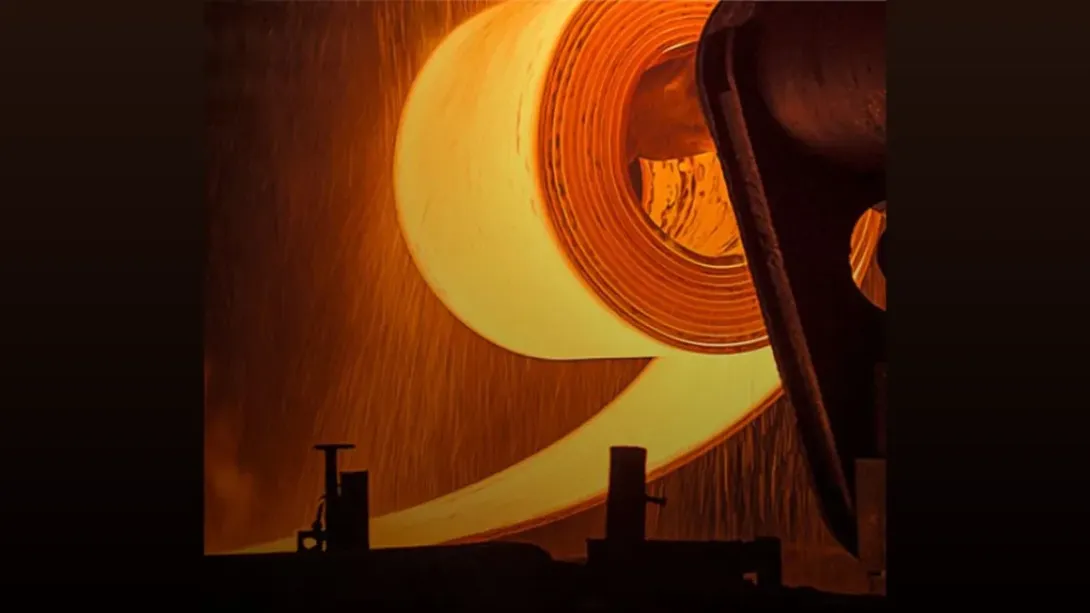
JSW Energy has achieved a major milestone in India’s energy transition by commissioning the nation’s largest green hydrogen plant at its Vijayanagar facility in Karnataka. The project, launched under the National Green Hydrogen Mission, marks a pivotal step toward decarbonising India’s steel and heavy industries. With an initial capacity of 3,800 tonnes per annum (TPA) of green hydrogen and 30,000 TPA of green oxygen, the plant will cater primarily to JSW Steel’s direct reduced iron (DRI) operations. The company’s long-term goal is to scale production significantly by 2030, aligning with India’s clean energy ambitions.
Driving India’s Green Energy Ambition
The newly commissioned green hydrogen facility at Vijayanagar represents a critical advancement in India’s push toward sustainable industrialisation. The project is part of JSW Energy’s broader allocation under the Solar Energy Corporation of India’s (SECI) Strategic Interventions for Green Hydrogen Transition (SIGHT) programme.
Under this initiative, JSW Energy has been awarded a total capacity of 6,800 TPA of green hydrogen. Of this, 3,800 TPA will be supplied to JSW Steel through a long-term offtake agreement, supporting the steelmaker’s transition to cleaner production processes. The plant will also produce 30,000 TPA of green oxygen, which will be utilised within the steel complex to replace conventional, fossil-based oxygen production.
The project aligns with the government’s National Green Hydrogen Mission, which targets an annual production capacity of 5 million tonnes of green hydrogen by 2030—aiming to make India a global hub for hydrogen manufacturing and export.
Decarbonising Steel Production
Steel manufacturing is among the most carbon-intensive industries, contributing roughly 7% of global greenhouse gas emissions. The integration of green hydrogen into steel production offers a viable pathway to reduce emissions without compromising output or quality.
By substituting conventional fuels such as coal and natural gas with green hydrogen, JSW Steel aims to significantly lower its carbon footprint in the DRI process. The hydrogen produced at Vijayanagar will be used to reduce iron ore into sponge iron, eliminating the need for carbon-based reductants. This marks a crucial first step in developing a sustainable steelmaking model for India’s industrial future.
Beyond immediate benefits, the partnership between JSW Energy and JSW Steel underscores a broader trend among major conglomerates to internalise clean energy solutions—linking generation, storage, and industrial application in one integrated ecosystem.
Scaling Up: The Road to 2030
While the current capacity sets an important precedent, JSW Energy has ambitious plans to expand its hydrogen production to 85,000–90,000 TPA by 2030. The company has signed a memorandum of understanding (MoU) with JSW Steel to scale up both hydrogen and oxygen supply over the next decade.
JSW Energy’s existing renewable portfolio—spanning solar, wind, and hydro assets—will support the plant’s operations, ensuring a fully green value chain from power generation to industrial consumption. The company’s total locked-in generation capacity of over 30 GW and energy storage capacity of nearly 30 GWh position it as a leader in India’s renewable energy transformation.
This expansion strategy aligns with JSW Energy’s long-term vision of achieving 40 GWh of energy storage and 30 GW of total generation capacity by 2030, further consolidating its position in the clean energy sector.
Challenges and Strategic Importance
Despite the optimism surrounding the green hydrogen sector, challenges remain. The cost of production, dependence on renewable power availability, and the nascent state of hydrogen infrastructure pose significant hurdles. Electrolyser technology, storage solutions, and pipeline logistics will require large-scale investment and innovation.
However, JSW Energy’s project demonstrates that large industrial players can successfully integrate green hydrogen into their operations. The company’s first-mover advantage and strong capital base position it to navigate these challenges effectively.
This commissioning also holds strategic significance for India’s global competitiveness. As the European Union and other regions tighten carbon border regulations, green steel and low-carbon manufacturing will become essential for export-led growth. JSW’s initiative, therefore, places India ahead of the curve in this emerging industrial landscape.
A New Era for Indian Industry
The commissioning of JSW Energy’s green hydrogen plant in Karnataka marks not just a corporate achievement but a national milestone. It reflects India’s growing capacity to translate climate commitments into industrial-scale outcomes.
By integrating renewable energy, hydrogen production, and steel manufacturing, JSW has set a new benchmark for sustainable industrial practices in emerging economies. If scaled effectively, this initiative could inspire similar projects across sectors such as cement, refining, and fertilizers—accelerating India’s journey toward net-zero emissions.
As global attention increasingly turns toward clean manufacturing and energy self-reliance, JSW Energy’s green hydrogen venture stands as a powerful example of how innovation, investment, and environmental responsibility can converge to shape the industries of tomorrow.
Comments