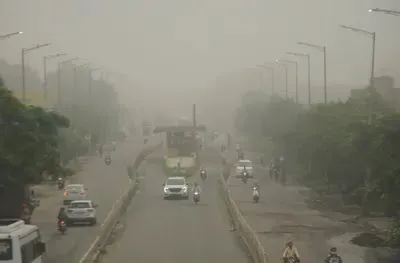
As winter approaches, dense fog across northern India poses recurring risks to motorists and commuters, leading to frequent road accidents and travel disruptions. To mitigate these dangers, government agencies and highway authorities have rolled out proactive safety measures, including fog detection systems, improved road infrastructure, and public awareness initiatives. These efforts aim to safeguard travelers, reduce fatalities, and ensure smoother traffic flow during the fog-prone season. The move reflects a growing commitment to data-driven road safety management and the modernization of transport systems in response to climate-related visibility challenges.
The Annual Challenge of Winter Fog
Every year, as temperatures drop, thick layers of fog blanket India’s northern plains, severely reducing visibility across major highways and city routes. Regions such as Delhi-NCR, Haryana, Punjab, and Uttar Pradesh are particularly affected, with visibility often falling below 50 meters during early morning hours. The consequences are significant—ranging from massive traffic pileups to increased travel delays and loss of lives.
Data from road safety authorities indicate that fog-related accidents account for a substantial percentage of winter casualties, especially on high-speed corridors like expressways. Beyond road transport, the phenomenon also disrupts rail and air services, highlighting the widespread socioeconomic impact of poor visibility during winter months.
Government Initiatives for Safer Roads
In response to these challenges, the National Highways Authority of India (NHAI) and regional transport departments have introduced a multi-tiered approach emphasizing prevention and preparedness. Major expressways are being equipped with fog detection sensors and real-time warning systems, enabling automated alerts for drivers through digital signboards and flashing beacons.
Road maintenance teams are enhancing reflective road markings, cat’s eyes, and median delineators to improve visibility during low-light and fog conditions. Additionally, patrolling units and emergency response teams have been deployed strategically along critical routes to handle incidents swiftly.
State governments have also launched awareness campaigns advising motorists to reduce speed, maintain safe distances, and use fog lights instead of high beams. These advisories are being reinforced through highway radio stations and digital media outreach to ensure maximum public engagement.
Technology and Data-Led Safety Enhancements
One of the most promising developments in this area is the integration of AI-based weather monitoring systems. These tools, powered by predictive analytics and satellite inputs, can forecast fog intensity and duration with remarkable accuracy. By combining this data with traffic surveillance networks, authorities can now coordinate early warnings and adjust traffic management strategies in real time.
Furthermore, smart transportation projects under India’s broader digital infrastructure push are introducing connected vehicle technologies that allow real-time hazard communication between vehicles and control centers. These innovations signal a decisive shift toward intelligent traffic ecosystems, reducing human error and enhancing driver awareness during fog events.
Building Awareness and Behavioral Change
While technology provides crucial support, experts emphasize that driver behavior remains a central determinant of road safety. Government-led campaigns are educating drivers, especially those in logistics and freight sectors, about responsible driving during poor visibility conditions. Training modules for commercial drivers now include fog-specific protocols, emphasizing cautious acceleration, lane discipline, and hazard signaling.
Moreover, educational institutions and community organizations are partnering with local administrations to foster a culture of road safety consciousness, highlighting that individual vigilance complements institutional measures.
Conclusion: A Safer Road Ahead
India’s proactive approach to managing winter fog hazards marks a vital transition from reactive response to preventive governance in road safety. The blend of technology, infrastructure improvement, and public awareness forms a comprehensive safety ecosystem capable of significantly reducing fog-related mishaps.
As climate patterns grow increasingly unpredictable, such strategies underscore India’s broader commitment to adaptive, technology-driven transport management. With continued investment in intelligent systems and behavioral education, the nation is steadily steering toward a future where weather extremes no longer dictate road safety outcomes.
Comments