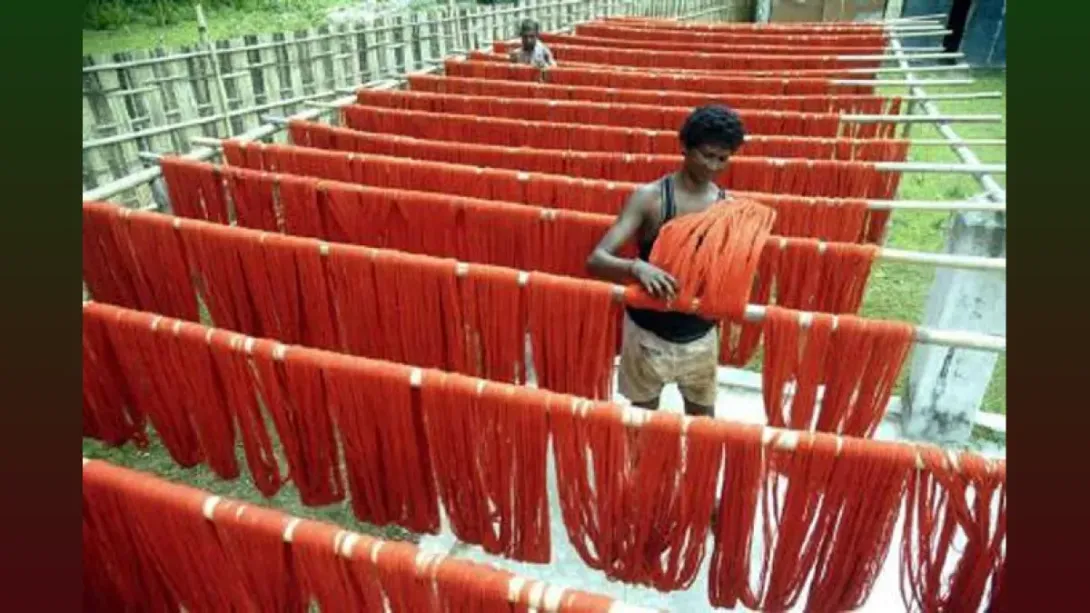
Pakistan’s textile exports have reached their highest level in three years, signaling renewed momentum in one of the nation’s most vital economic sectors. The surge is attributed to rising global demand, a stable exchange rate, and government-led incentives that have strengthened competitiveness in international markets. Export earnings climbed significantly on the back of strong orders from the United States, the European Union, and Middle Eastern economies. The rebound in textile performance comes as Pakistan seeks to stabilize its external accounts and revive manufacturing output following recent economic headwinds and currency volatility.
Strong Export Growth Reflects Sectoral Revival
Pakistan’s textile industry — the backbone of its export economy — recorded its best performance in three years, as overall textile exports surged in both volume and value terms. Industry data indicates that textile exports rose sharply in recent months, driven by heightened overseas demand for value-added products such as apparel, home textiles, and knitwear.
The sector’s recovery reflects a combination of improved energy supply, currency stabilization, and better access to raw materials. Analysts note that the rebound is particularly encouraging given that Pakistan’s textile exports had faced sustained pressure over the past two years due to global inflation and supply chain disruptions.
Global Demand and Policy Support Drive Momentum
Pakistan’s export growth has been buoyed by robust demand from key markets, including the United States and the European Union, both of which remain major destinations for cotton-based products. Trade data reveals that shipments of knitwear, bed linens, and ready-made garments have seen double-digit increases, underscoring a shift toward higher-value manufacturing within the textile chain.
Government support has also played a pivotal role in the sector’s revival. Policy measures such as concessional financing for exporters, energy subsidies for textile mills, and tax incentives for value-added exports have strengthened Pakistan’s competitive position. The easing of import restrictions on raw materials further enhanced production efficiency and reduced operational bottlenecks.
Exchange Rate Stability Aids Competitiveness
After several quarters of currency volatility, the Pakistani rupee’s stabilization against major foreign currencies has provided a much-needed cushion to exporters. A predictable exchange rate environment has improved cost planning and encouraged firms to take on larger export commitments.
In addition, moderating inflation and improved liquidity in the banking system have contributed to a more favorable business environment. Many textile manufacturers have also reported improved cash flows, enabling them to invest in modernization and capacity expansion to meet growing international demand.
Regional and Global Trade Dynamics
The surge in Pakistan’s textile exports comes at a time when regional competitors such as Bangladesh and Vietnam are also vying for larger shares of the global apparel market. Despite intense competition, Pakistan has managed to retain a stable foothold, supported by its vertically integrated textile value chain — from cotton cultivation to finished apparel.
Moreover, favorable trade terms under the EU’s GSP+ (Generalized Scheme of Preferences) framework have allowed Pakistan to maintain tariff advantages in key European markets. With the global economy showing signs of gradual recovery and consumer spending improving, the outlook for Pakistan’s textile sector remains optimistic in the short term.
Outlook: Sustaining Growth Through Innovation and Diversification
While the current surge marks a positive shift, industry leaders caution that sustaining growth will require continued policy support, investment in technology, and diversification into non-traditional markets. The adoption of eco-friendly manufacturing practices and digital supply chain management is expected to be a key differentiator in maintaining export competitiveness.
Experts emphasize that improving energy reliability, expanding renewable power usage, and upgrading textile machinery will be critical to ensuring long-term resilience. As Pakistan works toward industrial modernization, the textile sector’s strong performance could play a decisive role in boosting employment, foreign exchange reserves, and overall economic stability.
Comments