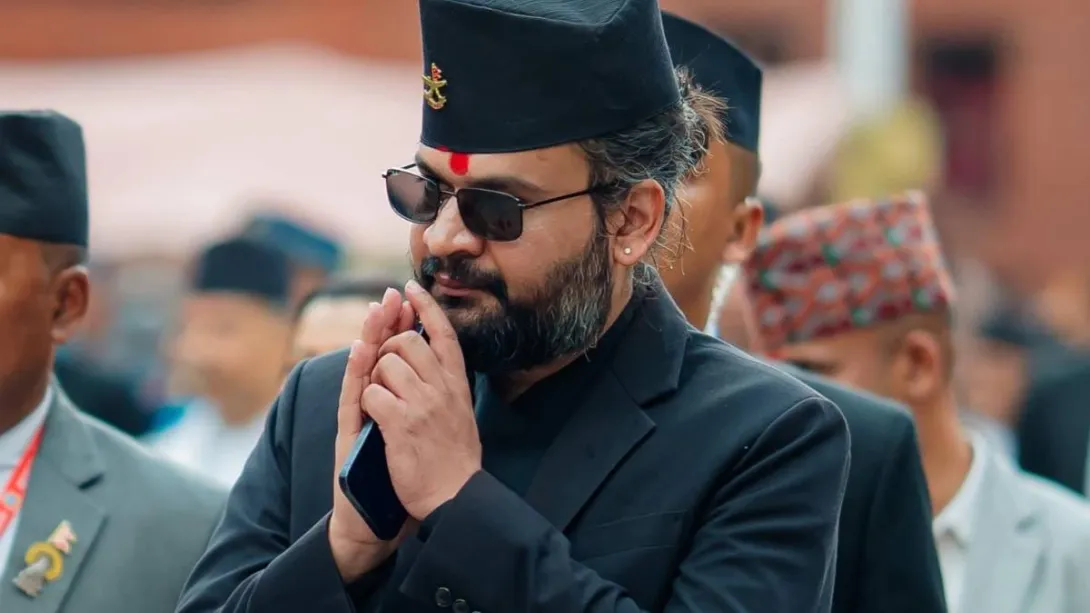
Nepal’s latest general election has delivered a dramatic shift in the country’s political landscape, with reform-oriented leadership gaining unprecedented momentum. Balendra Shah, a young political figure who rose to prominence as Kathmandu’s mayor, has emerged as a central force within the Rastriya Swatantra Party (RSP).
The party’s strong electoral performance reflects widespread public frustration with traditional political elites and a growing demand for transparency and governance reform. Shah’s decisive victory over a prominent political veteran underscores the scale of this transformation. While the mandate signals a political reset, the responsibility of governing with a strong parliamentary majority will test the party’s leadership and policy vision.
A Political Reset in Nepal
Nepal’s recent general election has produced one of the most significant political shifts in the nation’s democratic history. Early results indicate that the Rastriya Swatantra Party has captured substantial public support, emerging as the dominant force in the country’s evolving political landscape.
The election outcome reflects a broader shift in public sentiment, particularly among younger voters who have increasingly expressed dissatisfaction with the traditional political establishment. The surge in support for reform-oriented candidates suggests that Nepal’s electorate is seeking a new approach to governance—one that prioritizes accountability, transparency, and institutional reform.
At the center of this transformation is Balendra Shah, whose rapid political rise has become emblematic of a generational change in leadership.
The Rise of a New Generation of Leadership
Balendra Shah first gained national attention after winning the mayoral election in Kathmandu, positioning himself as a nontraditional political figure capable of challenging established parties. Known for his unconventional background and strong appeal among younger citizens, Shah built his reputation by advocating administrative reform and anti-corruption measures.
His decision to formally align with the Rastriya Swatantra Party marked a strategic turning point in Nepal’s political dynamics. The partnership created a powerful combination: Shah’s personal popularity and grassroots support complemented the party’s emerging organizational framework.
The collaboration was built around a shared policy agenda focusing on governance reforms, anti-corruption measures, and improved institutional accountability. These themes resonated strongly with voters seeking meaningful political change following widespread protests earlier in the year.
Electoral Momentum and a Landmark Victory
The strength of the political shift became evident during parliamentary elections, where Shah secured a decisive victory in a high-profile contest against a seasoned political leader in his own constituency.
Shah received 68,348 votes, significantly outperforming his opponent, who secured 18,734 votes. The scale of the victory highlighted not only Shah’s growing influence but also the electorate’s readiness to support leaders outside the traditional power structure.
With Shah emerging as the party’s prime ministerial candidate, the Rastriya Swatantra Party now appears positioned to secure a commanding presence in Parliament. Analysts suggest the party could potentially achieve a two-thirds majority, giving it significant legislative power to implement policy reforms.
Impact of Youth-Led Political Movements
The political momentum behind the RSP cannot be understood without examining the influence of recent youth-driven protests. Demonstrations led by young citizens, often referred to as “Gen Z protests,” played a crucial role in destabilizing the previous governing coalition.
These protests reflected deep frustration with issues such as corruption, economic stagnation, and governance inefficiencies. The movement created a political environment in which new leaders could gain traction by positioning themselves as agents of reform.
Shah’s rise, therefore, is closely tied to a broader generational shift in political engagement. Younger voters, increasingly connected through digital platforms and civic activism, have become a powerful force shaping the direction of Nepal’s democracy.
Expectations from a Strong Parliamentary Mandate
While electoral success has given the Rastriya Swatantra Party a powerful mandate, it has also created high expectations among the electorate. Holding a majority in Parliament means the party will face immediate pressure to translate campaign promises into measurable policy outcomes.
Among the most pressing issues is the demand for transparency and accountability in government institutions. Supporters who rallied behind the reform agenda expect swift action on governance reforms and anti-corruption measures.
Failure to deliver on these expectations could quickly erode public confidence, particularly among younger voters who played a central role in the party’s electoral success.
Accountability and the Gauri Bahadur Karki Commission Report
One of the earliest and most sensitive decisions facing the new leadership involves the findings of the Gauri Bahadur Karki Commission. The commission was established to investigate the use of force against protesters during earlier demonstrations.
Many voters who supported the reform movement are calling for the report’s public release and decisive action against individuals found responsible for excessive use of force.
Handling this issue carefully will be crucial for the incoming leadership. Transparency in addressing past controversies could strengthen public trust, while delays or perceived political compromises may generate renewed criticism.
Regional Implications and Diplomatic Adjustments
The political transition in Nepal also carries implications beyond its domestic landscape. Neighboring countries and regional partners will closely observe how the new leadership approaches foreign policy and economic cooperation.
Nepal’s strategic location between major regional powers means that political stability and policy clarity are essential for maintaining balanced diplomatic relationships.
A leadership team driven by reformist ideals may seek to recalibrate international partnerships while maintaining Nepal’s longstanding diplomatic priorities.
Governance Challenges Ahead
Despite the wave of optimism surrounding the election results, governing a nation undergoing political transition is rarely straightforward. Transforming public expectations into concrete policy reforms requires administrative capacity, institutional cooperation, and political discipline.
For the Rastriya Swatantra Party, the challenge will be to move from opposition-style activism to responsible governance. Managing economic policy, strengthening institutions, and maintaining political unity will test the leadership’s strategic abilities.
At the same time, the strong mandate provides a unique opportunity to implement structural reforms that previous governments struggled to achieve.
Conclusion
Nepal’s latest election results represent more than a routine democratic exercise—they mark a profound shift in the country’s political narrative. The rise of Balendra Shah and the growing influence of the Rastriya Swatantra Party signal the electorate’s desire for a new generation of leadership.
While the political establishment that dominated the past decades appears to be losing its grip, the real challenge lies ahead. Delivering transparent governance, institutional reform, and economic stability will determine whether this political transformation becomes a lasting turning point in Nepal’s democratic journey.
Comments