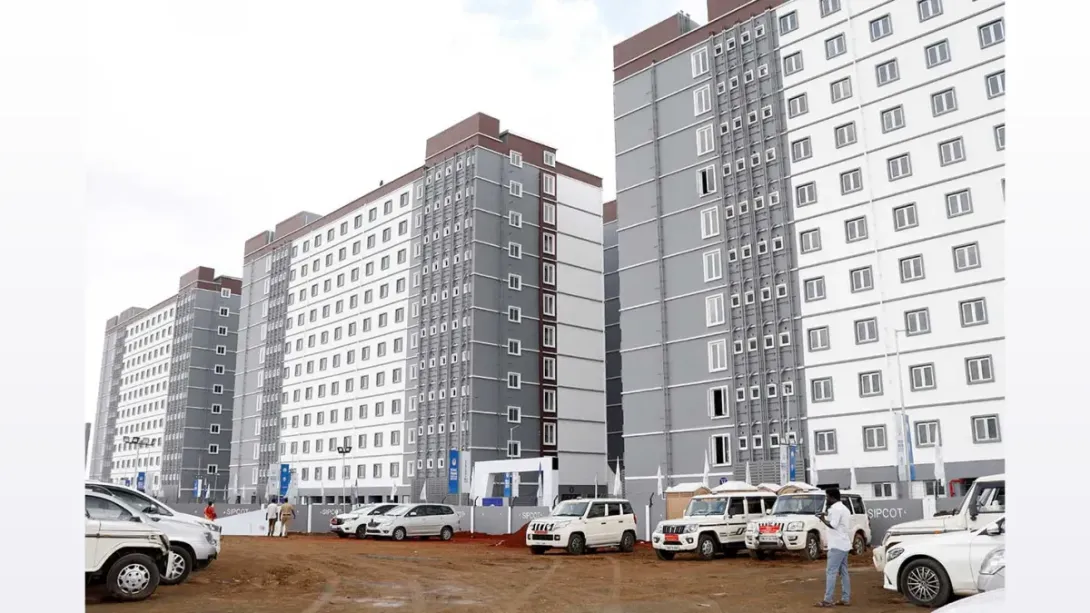
Motilal Oswal has entered into a USD 100 million financing agreement with the Asian Development Bank to advance green affordable housing initiatives in India. The transaction marks a significant step toward integrating climate-conscious construction practices within the country’s rapidly expanding housing finance ecosystem. The capital infusion is expected to support environmentally sustainable residential projects targeting low- and middle-income segments. Industry observers view the deal as a strategic alignment between private capital and multilateral development goals. The partnership underscores the growing emphasis on energy-efficient infrastructure and sustainable urbanization within India’s evolving real estate and financial services landscape.
Strategic Climate Financing Partnership
Motilal Oswal Financial Services has secured a USD 100 million funding commitment from the Asian Development Bank to promote environmentally sustainable housing finance in India. The agreement is designed to channel capital into green-certified residential developments, particularly within the affordable and mid-income categories.
The partnership reflects a broader global trend in which multilateral institutions are collaborating with private-sector financial intermediaries to accelerate climate-aligned investments. For Motilal Oswal, the funding provides both liquidity support and strategic validation of its sustainability-focused housing initiatives.
Advancing Green Affordable Housing
India’s urban housing demand remains substantial, driven by demographic growth, rural-to-urban migration, and rising aspirations among lower- and middle-income households. However, rapid urbanization also intensifies environmental pressures, including energy consumption and carbon emissions.
The ADB-backed financing aims to address this dual challenge by supporting homes built with energy-efficient materials, improved thermal insulation, water conservation systems, and renewable energy integration. Green housing not only reduces environmental impact but also lowers long-term utility expenses for homeowners.
By linking capital flows to sustainability benchmarks, the agreement incentivizes developers and borrowers to adopt climate-resilient construction standards.
Financial Implications and Capital Allocation
From a financial perspective, the USD 100 million facility enhances Motilal Oswal’s capacity to expand its housing loan portfolio without exerting undue pressure on domestic funding channels. Access to multilateral capital often comes with competitive borrowing costs and longer tenures, improving asset-liability management.
Analysts note that green finance instruments are increasingly influencing investor preferences, particularly among institutional stakeholders seeking environmental, social, and governance (ESG)-compliant exposure. The partnership may therefore strengthen the company’s positioning among sustainability-conscious investors.
The infusion of foreign capital also reflects continued international confidence in India’s housing finance sector, which remains underpenetrated relative to overall economic growth.
Policy Alignment and Broader Market Impact
The initiative aligns with India’s broader climate commitments and its push to expand sustainable infrastructure. Policymakers have consistently emphasized the need for environmentally responsible urban development as part of long-term economic planning.
Green affordable housing represents a convergence of social inclusion and environmental stewardship. By improving access to formal housing finance while embedding sustainability standards, such programs can generate long-term economic and environmental dividends.
Market participants expect similar blended-finance structures to gain momentum, as multilateral institutions seek scalable partnerships capable of delivering measurable climate impact.
Outlook: A Template for Sustainable Growth
The Motilal Oswal–ADB agreement may serve as a template for future collaborations between Indian financial institutions and global development lenders. As climate risk increasingly shapes capital allocation decisions, access to sustainability-linked funding could become a competitive differentiator.
While the immediate financial impact will unfold over loan disbursement cycles, the strategic significance of the deal lies in its forward-looking orientation. By embedding green criteria into affordable housing finance, the initiative supports both economic expansion and environmental resilience.
In a rapidly urbanizing nation, the intersection of finance, sustainability, and housing policy may define the next chapter of inclusive growth.
Comments