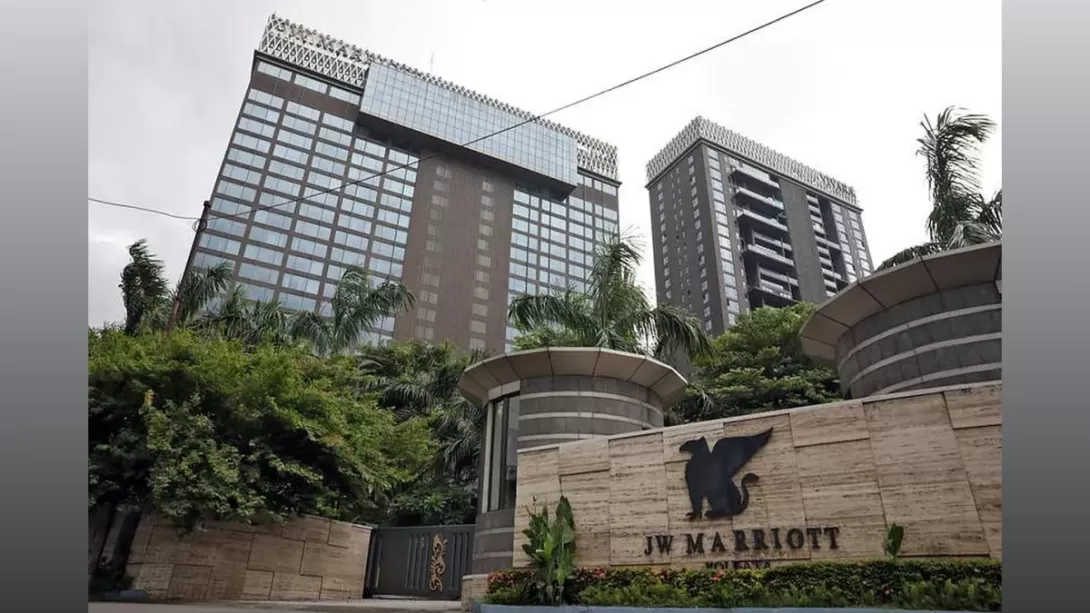
Marriott International has signed a landmark agreement with Grey Group to introduce a new 160-key JW Marriott hotel in Ludhiana, Punjab. This move underscores Marriott's strategic focus on expanding its luxury hospitality presence in high-growth markets across India. The hotel is poised to elevate the city's status as a business hub, offering a premium destination for both leisure and corporate travelers. Marriott's Regional Vice President for South Asia, Ranju Alex, expressed confidence in the brand's potential to become a central figure in Ludhiana's evolving hospitality landscape.
Expanding Marriott's Luxury Portfolio in India
Marriott International’s latest expansion into Ludhiana, Punjab, represents a significant step forward in the company’s ongoing commitment to tapping into India’s rapidly growing luxury hospitality market. The new 160-key JW Marriott hotel is set to become a key player in the region’s hospitality sector, offering top-tier amenities and services to a diverse range of travelers.
The addition of this new property will bolster Marriott's already extensive footprint across India, further enhancing its position as a leading luxury hotel operator in the country. The signing of the agreement with Grey Group highlights Marriott’s strategic emphasis on exploring untapped markets with high growth potential.
The Strategic Importance of Ludhiana
Ludhiana, traditionally known as an industrial and commercial hub, has experienced significant growth in recent years. The city is emerging as a prominent destination for business travelers, thanks to its growing infrastructure and connectivity. The arrival of JW Marriott in Ludhiana will serve to elevate the city's appeal, offering high-end accommodations for the increasing number of corporate and leisure visitors.
Marriott’s decision to establish a presence in Ludhiana aligns with its broader strategy of capitalizing on the rising demand for luxury hospitality in India’s emerging cities. With the hotel’s opening, Ludhiana is expected to become an even more attractive location for business conventions, meetings, and high-profile events, further positioning it as a prominent business hub.
Marriott's Strategic Growth Across India
Marriott’s expansion plans in India reflect a broader trend within the hospitality industry, where international brands are increasingly looking towards tier 2 and tier 3 cities for growth opportunities. As India’s economy continues to develop and urban centers grow, the demand for luxury hotels and premium services has surged. Marriott’s decision to bring the esteemed JW Marriott brand to Ludhiana highlights its commitment to investing in high-growth regions.
The company’s focus on India, a key market for Marriott, is evident through its ongoing expansions. As part of its growth strategy, Marriott is working to ensure that its luxury offerings are accessible to a broader range of travelers, enhancing the brand’s overall reach in the region.
A Promising Future for Ludhiana’s Hospitality Industry
With the new JW Marriott hotel, Ludhiana is poised to experience a transformation in its luxury hospitality landscape. The hotel’s state-of-the-art facilities, including fine dining, meeting spaces, and wellness offerings, will not only attract high-profile visitors but also contribute to the city’s tourism and economic growth.
The arrival of a global luxury brand such as JW Marriott further cements Ludhiana’s growing significance in India’s broader economic framework. As the city’s profile as a business and leisure destination continues to rise, Marriott’s move will likely encourage other international brands to explore opportunities in this emerging market.
Conclusion
The signing of the agreement for a JW Marriott hotel in Ludhiana marks a significant milestone for both Marriott International and the city itself. With its strong business potential and growing infrastructure, Ludhiana is fast becoming a key player in India’s hospitality sector. Marriott’s investment in the city is set to redefine luxury travel in the region and strengthen its presence across India’s high-growth markets.
Comments