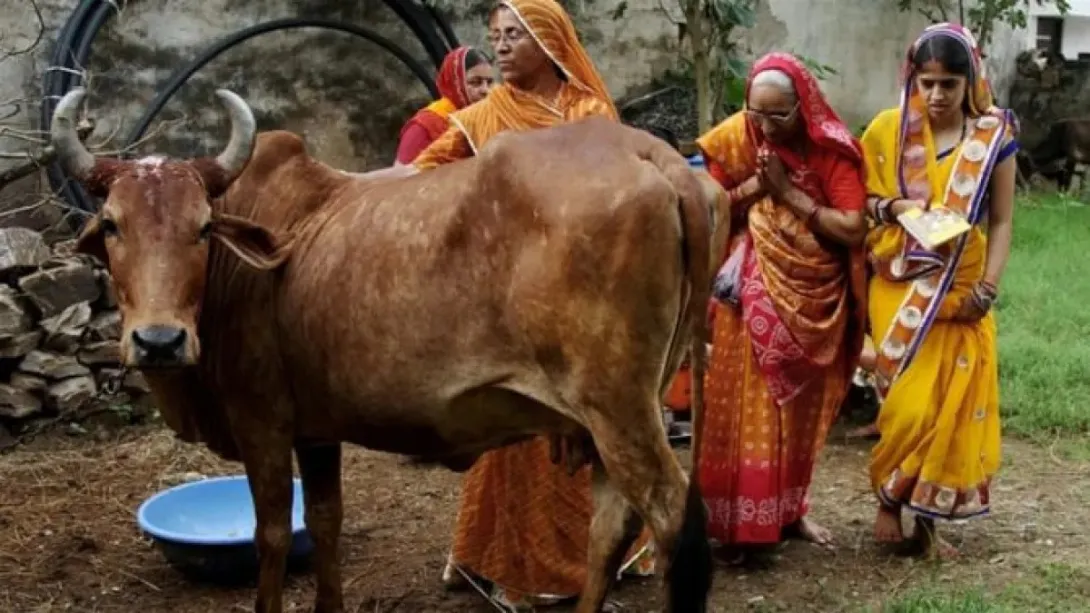
A national conference on developing a sustainable cow-based economy is scheduled to be held in Jaipur next week, bringing together policymakers, industry leaders, researchers, and rural entrepreneurs. The event will explore how traditional livestock practices can be aligned with modern economic strategies to generate employment, enhance rural incomes, and promote sustainable agriculture. Organizers have emphasized that the conference aims to position cow-based industries—not only dairy, but also value-added products such as organic fertilizers, medicines, and eco-friendly alternatives—as integral to India’s rural development model. Discussions are expected to address both policy support and the commercial viability of such initiatives.
Focus on Rural Development and Sustainability
The conference underscores India’s growing interest in integrating livestock management into broader rural development strategies. While dairy remains the backbone of the rural economy, experts argue that secondary industries derived from cow-based products could significantly raise income levels for small farmers. By leveraging indigenous practices and combining them with modern technology, the initiative seeks to provide scalable models for sustainable agriculture and rural livelihoods.
Economic Opportunities in Cow-Based Industries
Cow-based industries are increasingly being recognized for their commercial potential. Beyond milk production, sectors such as bio-fertilizers, bio-gas, and herbal medicines derived from cow by-products are gaining traction. The demand for organic farming inputs and eco-friendly consumer products has opened new avenues for rural entrepreneurs. The Jaipur conference will highlight how these industries can be mainstreamed into India’s economic framework, potentially reducing dependency on chemical fertilizers and synthetic goods.
Policy Support and Government Role
A key feature of the event will be deliberations on policy measures needed to strengthen the cow-based economy. State and central government representatives are expected to discuss subsidies, research investments, and training programs to encourage farmers and entrepreneurs to enter this sector. Officials have also pointed out that such initiatives could help India reduce its import bill for fertilizers while creating green alternatives that align with the government’s sustainability agenda.
Challenges and the Way Forward
Despite the potential, scaling up cow-based industries poses challenges, including the need for scientific validation, efficient supply chains, and broader market acceptance of non-dairy products. Experts stress that commercialization must be approached with caution, balancing traditional knowledge with evidence-based practices. Building consumer trust and ensuring quality standards will be critical in expanding this sector beyond niche markets.
Jaipur’s Strategic Role
Hosting the event in Jaipur carries symbolic and practical importance. Rajasthan, with its deep-rooted cattle-rearing traditions, stands as a natural hub for discussions on the economic and cultural role of livestock. Organizers believe the conference could serve as a catalyst for nationwide efforts, offering a roadmap for how cow-based enterprises can contribute meaningfully to both rural prosperity and environmental sustainability.
Comments