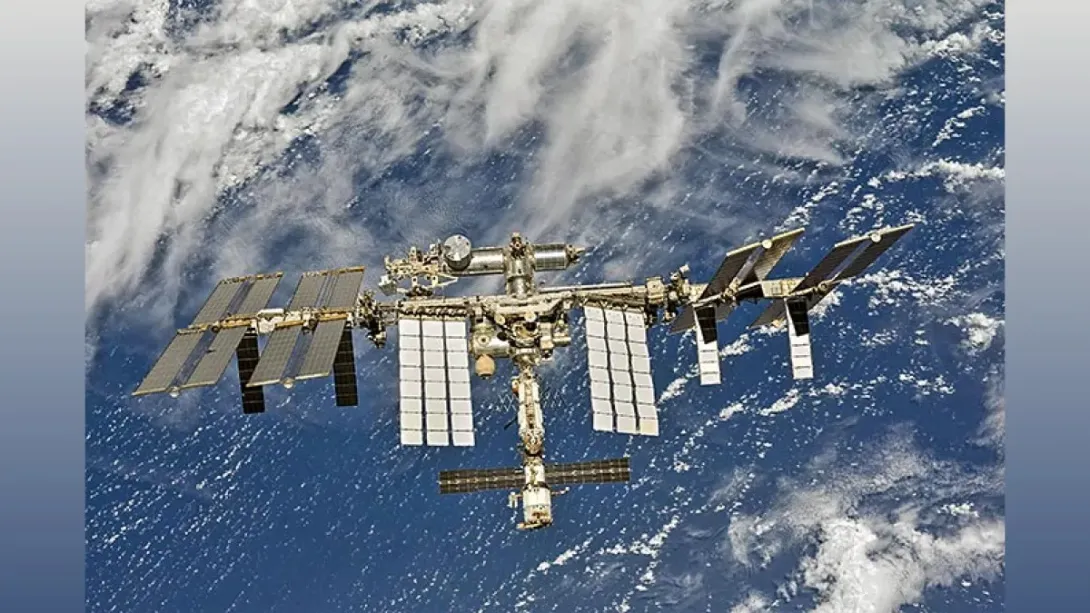
The Indian Space Research Organisation (ISRO) has intensified efforts to share its cutting-edge technologies with domestic firms, aiming to accelerate private-sector participation in India’s rapidly evolving space economy. By transferring critical innovations to industry players, ISRO seeks to foster indigenous capabilities, reduce reliance on imports, and enable companies to commercialize advanced applications across sectors such as aerospace, communications, navigation, and defense. The initiative aligns with India’s broader ambition of becoming a global hub for space technology, complementing recent policy reforms that encourage private investment, research collaboration, and international partnerships in the space ecosystem.
Driving Innovation Through Technology Transfer
ISRO has built a strong legacy of developing indigenous systems, from satellite technology and propulsion systems to materials engineering and remote sensing applications. Its decision to extend these innovations to Indian companies underscores a strategic shift: moving beyond in-house usage to enabling commercial adoption.
The transferred technologies cover diverse areas, including thermal protection materials, lightweight alloys, communication systems, and advanced sensors. These assets can be utilized not only for space missions but also for terrestrial applications in aviation, defense, energy, and disaster management.
Strengthening Private Sector Participation
The transfer aligns with the government’s vision of deepening private-sector involvement in the space economy. With the Indian National Space Promotion and Authorization Center (IN-SPACe) acting as a facilitator, startups and established firms alike are gaining unprecedented access to technologies that were once exclusive to government missions.
Industry leaders view this as a transformative moment, as it lowers entry barriers for companies aspiring to compete globally. By leveraging ISRO’s expertise, firms can accelerate product development cycles, enhance quality standards, and scale operations with greater efficiency.
Economic and Strategic Implications
The economic potential of technology transfer is significant. India’s space economy, currently estimated at around $8 billion, is projected to grow to $40 billion by 2040, according to independent forecasts. ISRO’s decision to commercialize its innovations positions Indian firms to capture a larger share of this growth, while reducing dependency on foreign technologies.
Strategically, greater private-sector participation strengthens national security by ensuring access to homegrown technologies. It also fosters job creation in high-tech sectors, stimulates research and development, and enhances India’s stature in global space diplomacy.
Outlook: Toward a Space-Driven Future
The initiative marks a new phase in India’s space journey, moving from state-driven missions to a collaborative, innovation-driven ecosystem. As private firms gain access to ISRO’s intellectual property, the country is likely to witness a surge in indigenous solutions catering to domestic and international markets.
Observers argue that continued policy support, funding mechanisms, and global partnerships will be crucial in sustaining momentum. If executed effectively, ISRO’s technology transfer could serve as a catalyst for transforming India into a space-technology powerhouse, balancing national priorities with global competitiveness.
Comments