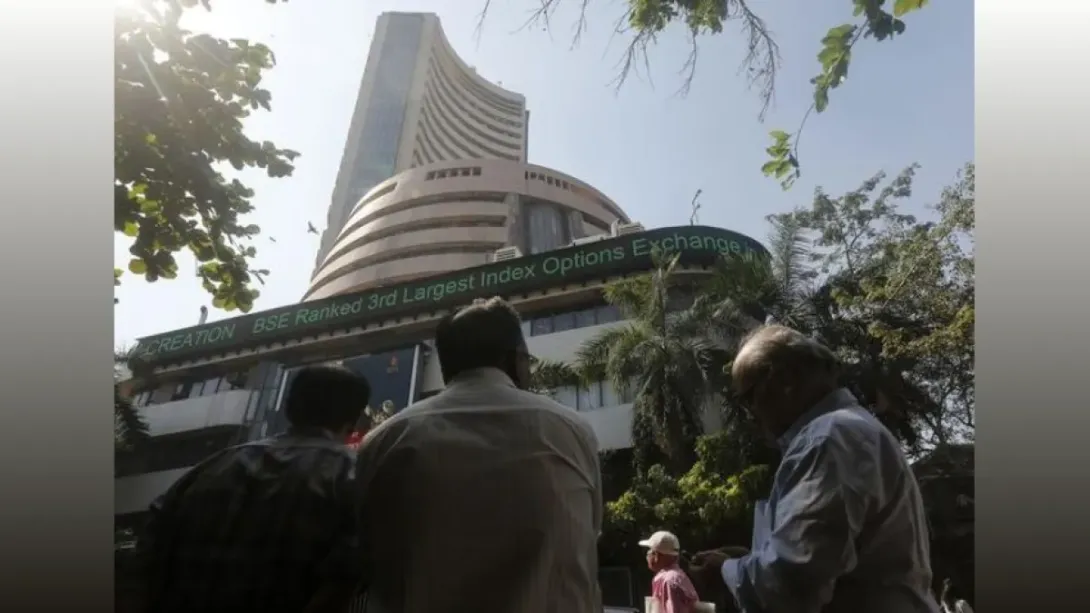
Indian equity markets began the session on a positive note, buoyed by supportive global signals and steady institutional flows. However, early optimism gave way to volatility as investors weighed mixed international trends, fluctuating commodity prices, and cautious positioning ahead of key economic data. Benchmark indices swung between gains and losses, reflecting uncertainty in global markets and selective sectoral participation at home. Financials and select technology counters lent early support, while profit booking in metals and energy stocks tempered momentum. The day’s choppy trade underscores the fragility of investor confidence amid external headwinds and evolving macroeconomic expectations.
Early Gains Fade as Volatility Returns
Domestic benchmark indices opened higher in line with constructive cues from Asian peers and overnight stability on Wall Street. Initial buying was visible in frontline banking and information technology stocks, helping indices post moderate gains in early trade.
However, as the session progressed, volatility intensified. Investors turned cautious amid inconsistent signals from global markets, including fluctuating commodity prices and currency movements. The early rally gradually lost steam, and indices oscillated within a narrow band as traders adopted a wait-and-watch approach.
Market breadth remained mixed, with advances and declines nearly evenly matched on major exchanges—an indication of selective participation rather than broad-based conviction.
Global Influences Shape Domestic Mood
Global developments played a central role in shaping sentiment. Investors closely tracked movements in U.S. Treasury yields, oil prices, and Asian market performance. While overnight cues from the United States were stable, persistent concerns around inflationary pressures and central bank policy trajectories continued to weigh on risk appetite.
Crude oil prices, a critical variable for India’s import-heavy economy, displayed volatility. Rising energy costs typically fuel inflationary concerns, affecting both fiscal balances and corporate margins. Consequently, energy-intensive sectors experienced intermittent selling pressure.
Currency fluctuations also added to uncertainty. The rupee’s movement against the U.S. dollar remained a focal point for traders, particularly for export-oriented sectors such as information technology and pharmaceuticals.
Sectoral Trends: Financials Steady, Metals Under Pressure
Financial stocks provided early support, reflecting steady credit growth expectations and relatively resilient balance sheets. Private sector banks led gains, supported by expectations of stable asset quality trends and sustained loan demand.
Information technology counters showed selective buying interest, aided by currency dynamics and hopes of stable global demand for digital services. However, metals and energy shares faced profit booking, tracking weakness in global commodity prices and subdued demand forecasts.
Mid-cap and small-cap stocks mirrored the broader market’s indecision, witnessing intermittent spurts of buying followed by swift corrections.
Investor Strategy: Defensive Positioning Emerges
Market participants appeared reluctant to build aggressive positions ahead of upcoming macroeconomic data releases and corporate earnings announcements. Institutional investors maintained calibrated exposure, focusing on quality stocks with strong earnings visibility and manageable debt profiles.
Analysts note that while liquidity conditions remain supportive, near-term volatility is likely to persist due to external uncertainties. Defensive sectors and fundamentally strong companies are expected to attract continued investor interest.
Outlook: Caution Amid Opportunity
Despite the day’s choppiness, underlying structural drivers of the Indian economy remain intact. Robust domestic consumption, infrastructure spending, and a stable banking system continue to offer medium- to long-term support for equities.
However, short-term movements are likely to remain sensitive to global developments, particularly shifts in monetary policy expectations and commodity prices. Investors may benefit from maintaining diversified portfolios and avoiding excessive exposure to globally sensitive sectors.
Comments