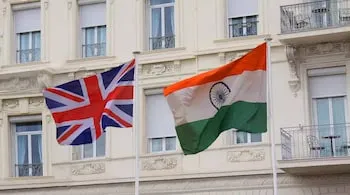
The long-negotiated trade accord between India and the United Kingdom is expected to be operational from April 2026, marking a pivotal moment in bilateral economic relations. The Comprehensive Economic and Trade Agreement, signed in July 2025, will allow 99 percent of Indian exports to enter the British market at zero duty, while India will gradually reduce tariffs on selected British goods, including automobiles and Scotch whisky. A parallel social security arrangement, the Double Contributions Convention, will ease compliance burdens for temporary workers. Together, these measures are poised to deepen trade integration and enhance investment flows.
Agreement Overview: A Landmark Economic Framework
The Comprehensive Economic and Trade Agreement, formalized on July 24, 2025, represents one of the most significant bilateral trade breakthroughs for India in recent years. By granting near-universal zero-duty access to Indian goods entering the UK market, the pact substantially widens export opportunities across sectors ranging from textiles and pharmaceuticals to engineering goods and agricultural products.
In return, India has agreed to recalibrate tariffs on selected British exports. Among the most prominent beneficiaries are the UK’s automobile industry and its globally recognized Scotch whisky producers. The reciprocal concessions reflect a calibrated balance between domestic sensitivities and outward-oriented growth objectives.
Government officials indicate that the agreement is likely to come into effect from April 2026, subject to procedural formalities. The implementation timeline signals policy continuity and administrative readiness on both sides.
Tariff Rationalization: Strategic Gains for Both Economies
The elimination of duties on 99 percent of Indian exports into the UK could materially enhance competitiveness for Indian manufacturers. Zero-tariff access lowers landed costs and strengthens price positioning against rivals from other trading blocs.
On the import side, India’s phased reduction of tariffs on British cars and Scotch whisky carries economic and symbolic significance. Lower duties on premium automobiles may expand consumer choice and intensify competition in India’s high-end vehicle segment. Similarly, reduced tariffs on Scotch whisky are expected to benefit importers and hospitality businesses, potentially moderating retail prices over time.
While tariff cuts often raise concerns over domestic industry protection, policymakers have signaled that safeguards and phased adjustments will mitigate disruption.
Social Security Relief Through Double Contributions Convention
Complementing the trade pact is the Double Contributions Convention, a bilateral framework designed to prevent temporary workers from paying social security contributions in both jurisdictions simultaneously. This arrangement will reduce compliance costs for companies deploying professionals across borders and improve the ease of doing business.
For Indian technology firms and consulting companies with operations in the UK, the convention could deliver tangible cost savings. Likewise, British firms operating in India will benefit from reduced administrative duplication.
The simultaneous implementation of both agreements underscores an integrated approach to trade and labor mobility.
Economic Implications: Beyond Merchandise Trade
The trade deal arrives amid a broader recalibration of global supply chains. For India, deeper engagement with the UK diversifies export destinations and reinforces its ambition to position itself as a manufacturing and services hub.
For the UK, strengthened trade ties with India offer access to one of the world’s fastest-growing large economies. Enhanced market access could also stimulate bilateral investment flows, joint ventures and technology partnerships.
Economists note that the full impact of the agreement will depend on execution, regulatory alignment and private-sector responsiveness. However, early projections suggest that trade volumes between the two nations could experience sustained expansion over the medium term.
Outlook: A New Chapter in Bilateral Trade
With implementation anticipated in April 2026, the India–UK trade pact signals a decisive shift toward deeper economic integration. Tariff reductions on key goods, coupled with streamlined social security provisions, position the agreement as more than a conventional trade accord.
Comments