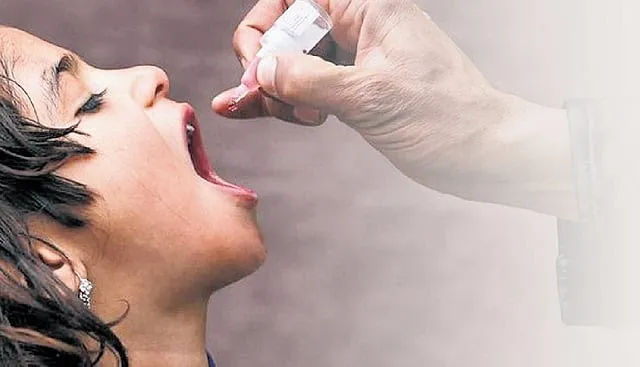
India has escalated health surveillance and preventive measures following a spike in polio cases reported in neighboring Pakistan and Afghanistan. Health authorities are closely monitoring cross-border transmission risks, reinforcing vaccination campaigns, and ensuring rapid response readiness in high-risk regions. The rise in polio incidents in these countries underscores persistent vulnerabilities in global eradication efforts, despite India being declared polio-free since 2014. Officials emphasize maintaining immunization coverage, particularly among children under five, and strengthening public awareness to prevent potential outbreaks. The situation highlights the importance of regional cooperation, robust healthcare infrastructure, and vigilant epidemiological tracking to safeguard public health.
---
Rising Polio Threat in the Region
Recent reports from Pakistan and Afghanistan indicate a notable increase in poliovirus cases, particularly in areas with historically low vaccination coverage. Health authorities have expressed concern that cross-border movement of populations may elevate the risk of reintroduction in India, especially in border districts and urban centers with dense populations.
Epidemiologists stress that vigilance is crucial to prevent resurgence, as poliovirus can spread rapidly among unvaccinated communities, undermining decades of eradication efforts.
---
Preventive Measures in India
India’s Ministry of Health has activated enhanced surveillance protocols at international borders, airports, and transit hubs. Supplementary immunization activities are being conducted in high-risk districts, with special focus on children below five years of age.
Officials are also deploying mobile health teams, strengthening laboratory testing capacities, and conducting awareness campaigns to educate communities about vaccination benefits and polio prevention strategies.
---
Regional Cooperation and Global Context
The increase in polio cases highlights the interconnected nature of public health risks in South Asia. Collaborative efforts between India, Pakistan, and Afghanistan, including information sharing, coordinated vaccination drives, and joint monitoring initiatives, are seen as critical to containing the spread of poliovirus.
Global health organizations continue to provide technical and logistical support to ensure sustained immunization coverage and timely response to outbreaks.
---
Public Health Implications
Despite India being declared polio-free since 2014, the persistence of poliovirus in neighboring regions underscores the need for continuous vigilance. Experts emphasize that maintaining high immunization rates, rigorous surveillance, and rapid containment measures are essential to prevent outbreaks and protect vulnerable populations.
The situation also demonstrates the broader challenge of infectious disease management in border regions, where population mobility and gaps in healthcare access can accelerate transmission.
---
Community Engagement and Awareness
Authorities are urging local communities to cooperate with vaccination drives and report any suspected cases promptly. Public education campaigns aim to dispel myths about polio vaccines and encourage timely immunization, particularly in rural and underserved areas.
Community participation is considered a cornerstone of India’s continued success in maintaining polio-free status and mitigating regional risks.
---
Conclusion
India’s heightened alert in response to rising polio cases in Pakistan and Afghanistan reflects proactive public health management and regional responsibility. By combining surveillance, immunization, community engagement, and cross-border collaboration, authorities aim to safeguard the country against potential outbreaks. The situation highlights the ongoing global challenge of polio eradication and the importance of sustained vigilance, even in countries that have achieved disease-free status, ensuring that decades of public health progress are preserved.
Comments