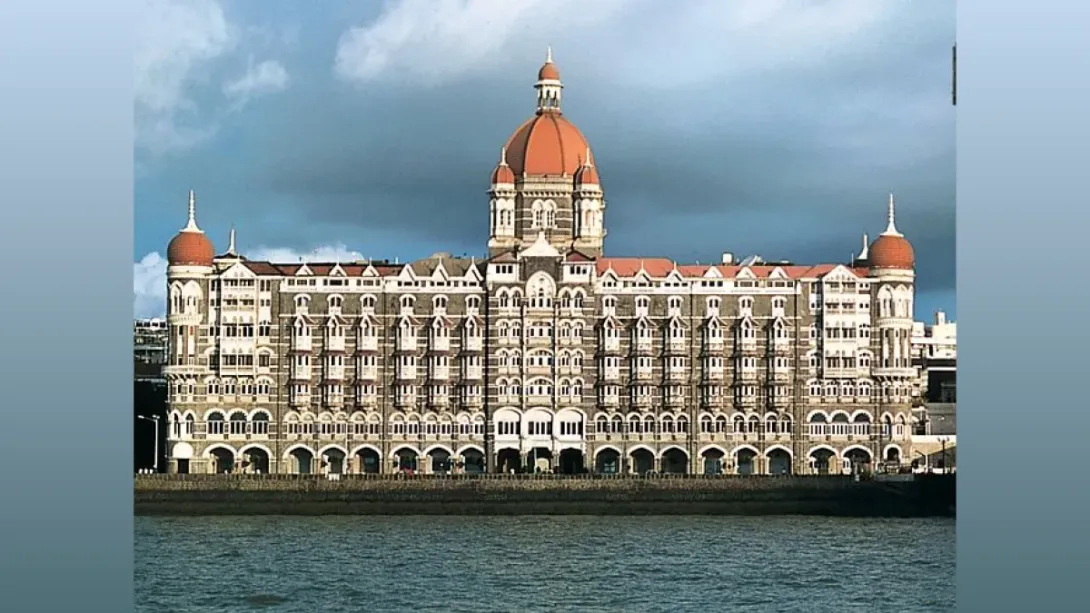
Indian Hotels Company Ltd. (IHCL), India’s largest hospitality group, has deepened its presence in the Himalayan region with the launch of Taj Paro Resort & Spa in Bhutan. The development underscores IHCL’s long-term strategy of expanding in high-value leisure destinations that align with premium tourism trends. Situated in Paro Valley, the new resort blends luxury hospitality with Bhutan’s cultural and environmental ethos. The project reflects rising demand for experiential travel, strengthens India–Bhutan economic ties, and reinforces IHCL’s ambition to scale its Taj brand across select international markets while maintaining disciplined capital allocation.
A Strategic Expansion into Bhutan
IHCL’s entry into Paro marks a calculated move into one of South Asia’s most exclusive tourism markets. Bhutan’s high-value, low-volume tourism policy has positioned the country as a premium destination for affluent global travelers seeking sustainability, wellness and cultural authenticity. By introducing the Taj brand in Paro, IHCL is aligning itself with this philosophy while tapping into a market that prioritizes quality over scale.
The Taj Paro Resort & Spa is designed to cater to international leisure travelers, spiritual tourists and high-end experiential seekers. The property’s architecture and design are rooted in traditional Bhutanese aesthetics, reinforcing the group’s strategy of integrating local culture into global luxury standards.
Investment Rationale and Financial Context
While IHCL has not publicly disclosed granular investment figures, industry estimates suggest that luxury resort developments of this scale typically require capital expenditure ranging between Rs. 300 crore and Rs. 500 crore, depending on land, infrastructure and sustainability features. Bhutan’s regulatory environment often favors partnerships and long-term operating agreements, reducing balance-sheet risk for international hospitality players.
For IHCL, the Bhutan expansion is consistent with its “asset-light to asset-right” approach, which balances ownership with management contracts to optimize returns on capital employed. The company has increasingly focused on international destinations that offer strong brand visibility without diluting profitability.
Strengthening the Taj Brand Globally
The Taj brand remains IHCL’s most valuable asset, synonymous with luxury, heritage and service excellence. The Paro resort adds to Taj’s growing portfolio of leisure-led destinations across Asia, the Middle East and Europe. This expansion enhances brand equity among global travelers while reinforcing Taj’s positioning as a curator of culturally immersive luxury experiences.
From a strategic standpoint, Bhutan offers IHCL a unique advantage: geographic proximity to India combined with strong bilateral relations. This allows the company to leverage operational synergies, regional talent pools and supply chains while operating in an international market.
Tourism Trends and Market Outlook
Global luxury travel has rebounded sharply post-pandemic, with travelers prioritizing wellness, privacy and nature-driven experiences. Bhutan fits squarely into this trend, and Paro remains the country’s most prominent gateway for international visitors. The Taj Paro Resort & Spa is well-positioned to benefit from limited competition, controlled room supply and high average room rates.
Analysts note that such destinations, while niche, often deliver superior margins due to pricing power and exclusivity. For IHCL, this translates into a stable revenue stream insulated from mass-market volatility.
Broader Implications for IHCL
The Bhutan foray reflects IHCL’s broader ambition to evolve into a globally respected hospitality company rooted in Indian values. By selectively expanding into culturally aligned markets, IHCL is mitigating geopolitical and demand risks while enhancing its international revenue mix.
As the company continues to scale its portfolio, developments like Taj Paro Resort & Spa signal a disciplined yet aspirational growth strategy—one that prioritizes brand strength, sustainable tourism and long-term shareholder value over aggressive expansion.
Comments