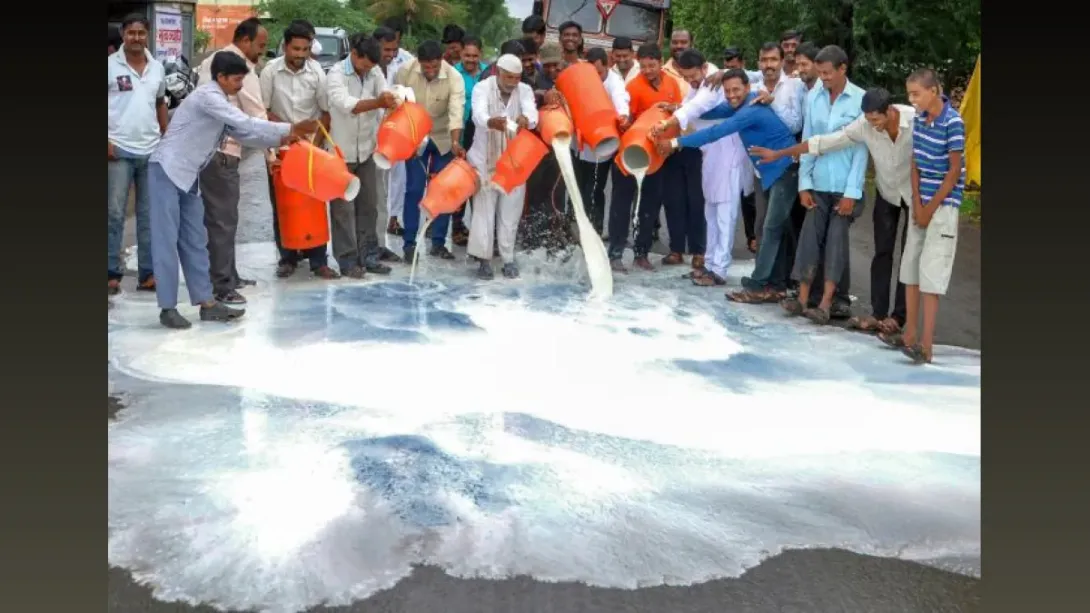
India’s milk production has witnessed a significant boost, driven by the adoption of high-yielding cattle breeds and improved dairy management practices. Enhanced breeding programs, better nutrition, and modern husbandry techniques have collectively increased per-animal milk yield, strengthening both rural livelihoods and the dairy supply chain. The rise in output supports domestic demand for milk and value-added dairy products while enhancing India’s position as the world’s largest milk producer. Experts highlight that continued investment in genetics, animal health, and cooperative infrastructure will be crucial to sustaining growth and meeting the evolving consumption patterns of urban and rural consumers alike.
Adoption of High-Yielding Breeds
The introduction of high-yielding crossbred and purebred cattle has transformed dairy farming in India. Breeds such as Holstein Friesian, Jersey, and improved indigenous varieties are delivering higher milk volumes per animal compared with traditional stock. Government-backed breeding programs and artificial insemination initiatives have facilitated wider access to these superior genetics, especially in organized dairy cooperatives.
Enhanced Feeding and Husbandry Practices
Improved nutrition, balanced feed formulations, and regular health monitoring have complemented genetic gains. Farmers adopting scientific feeding regimes and modern housing practices have reported better productivity, lower mortality rates, and higher milk quality. Such practices are increasingly being promoted through government extension programs and private-sector partnerships.
Impact on Rural Economy and Dairy Sector
The increase in milk production has strengthened rural incomes and empowered dairy farmers. Cooperatives and private dairy players benefit from stable supply, enabling them to expand processing, distribution, and value-added products like cheese, yogurt, and flavored milk. This growth also contributes to employment generation across allied sectors, including fodder cultivation, veterinary services, and logistics.
Policy Support and Infrastructure Development
Government schemes such as the National Dairy Plan, along with subsidies for breeding, fodder development, and cold-chain infrastructure, have played a key role in facilitating sector growth. Investments in milk collection centers, chilling units, and transport networks have enhanced efficiency and reduced post-production losses.
Outlook for India’s Dairy Production
With rising consumer demand and continued adoption of high-yielding breeds, India’s milk production is expected to maintain its upward trajectory. Analysts suggest that integrating technology in breeding, health monitoring, and supply-chain management will be critical to sustain productivity gains while ensuring quality and profitability for dairy farmers.
Comments