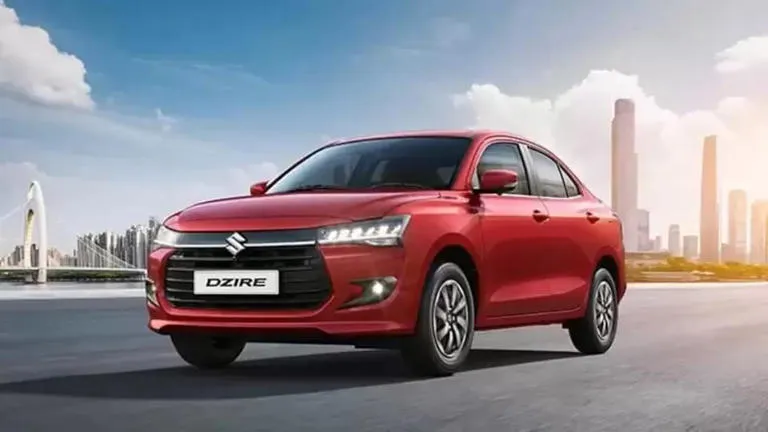
The rollout of GST 2.0 is poised to significantly impact India’s automobile sector, bringing down vehicle prices across multiple segments. With streamlined tax rates and improved compliance mechanisms, carmakers are expected to pass on benefits to consumers, potentially stimulating demand in both the passenger and commercial vehicle markets. Analysts anticipate that the effective reduction in the Goods and Services Tax will make cars more affordable, particularly in entry-level and mid-sized categories, while also enhancing transparency and simplifying regulatory compliance for manufacturers. This reform marks a pivotal step in aligning India’s tax structure with global automotive markets.
Key Changes Under GST 2.0
GST 2.0 introduces rationalized tax slabs for automobiles, reducing the effective tax burden on many popular models. The reform eliminates certain cascading taxes, provides clarity on input tax credits, and streamlines interstate transactions. Industry sources suggest that price reductions could range from Rs. 15,000 to Rs. 1 lakh depending on the vehicle type and engine capacity. Luxury and electric vehicles may witness smaller relative reductions, but improved input credit utilization could enhance profitability for manufacturers in these segments.
Impact on Consumer Demand
Price cuts are likely to rejuvenate consumer interest, especially in segments where affordability has been a limiting factor. Entry-level hatchbacks and compact sedans stand to benefit most, potentially attracting first-time buyers and urban commuters. Analysts expect increased sales volumes in the months following implementation, as consumers adjust purchasing decisions in anticipation of reduced tax burdens. Furthermore, GST 2.0 may encourage financing uptake and EMI-based purchases due to improved affordability, thereby supporting overall sector growth.
Implications for Auto Manufacturers
Automakers are expected to leverage GST 2.0 to realign pricing strategies and strengthen market share. Cost savings may also be reinvested in product innovation, feature enhancements, and localized manufacturing, supporting long-term competitiveness. Companies with strong dealer networks and efficient supply chains are likely to benefit the most, as they can quickly translate tax reductions into on-road price advantages. Additionally, increased transparency in taxation may reduce compliance costs and litigation risks, enhancing operational efficiency.
Electric Vehicles and Green Mobility
GST 2.0 could further catalyze the adoption of electric vehicles (EVs) by reducing input costs for battery packs, electric motors, and other critical components. Lower effective tax rates may make EVs more price-competitive relative to internal combustion engine vehicles, complementing government incentives and accelerating the country’s clean mobility objectives. Analysts suggest this could lead to wider EV penetration in urban markets and foster the development of domestic EV supply chains.
Outlook
The implementation of GST 2.0 is expected to provide a tangible boost to India’s automotive market, benefiting both consumers and manufacturers. By simplifying the tax structure, lowering effective rates, and enhancing compliance, the reform could reinvigorate sales across key segments while encouraging investment in innovation and sustainable mobility. For car buyers, this represents a rare opportunity to access newer models at lower prices, while automakers gain the flexibility to enhance margins and competitiveness in an increasingly dynamic market environment.
Comments