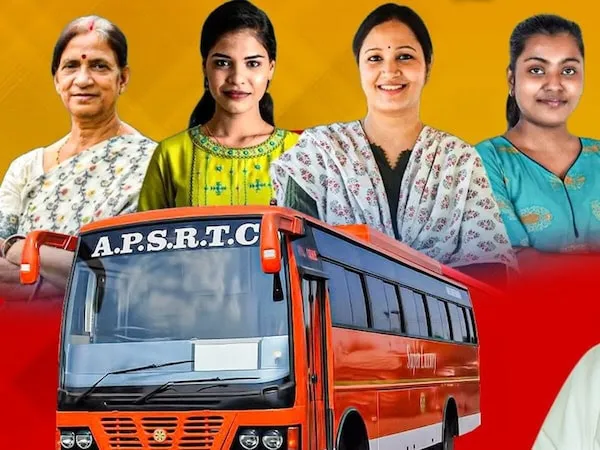
The free bus travel scheme for women has become one of the most widely discussed welfare initiatives in recent years, offering millions of women the ability to commute without financial burden. However, questions continue to arise regarding eligibility criteria and whether carrying an Aadhaar card is mandatory to avail of the benefit. While the scheme aims to empower women through improved mobility and economic participation, its implementation has varied across states, with some introducing identity checks to curb misuse. The debate underscores the larger balance between accessibility, efficiency, and accountability in welfare delivery.
---
The Core of the Scheme
Introduced as a step toward gender empowerment and social equity, the free bus travel policy enables women to travel across designated routes without purchasing tickets. The initiative seeks to reduce commuting costs for working women, students, and homemakers, thereby encouraging greater workforce participation and access to educational opportunities. Beyond financial savings, the scheme is seen as an investment in women’s mobility and independence.
Aadhaar and Eligibility Concerns
The question of Aadhaar’s role has emerged as central to discussions on the scheme’s operation. In some states, transport authorities have clarified that women passengers are not required to present Aadhaar cards to board buses under the free travel provision. Instead, schemes are often implemented with gender-based identification, relying on conductors to issue zero-fare tickets. However, in certain regions, Aadhaar details may be requested to ensure transparency in government reimbursements to transport corporations.
Administrative Implementation
The free travel program involves large-scale coordination between state governments and transport undertakings. To prevent misuse—such as men attempting to travel under the scheme—some states have considered digital tracking systems or optional identity verification. Still, authorities emphasize that Aadhaar is not a blanket requirement for daily commuters, and women cannot be denied travel if they do not carry it.
Economic and Social Impact
For many families, the policy translates into significant monthly savings, particularly for low- and middle-income households. By reducing travel costs, the scheme indirectly boosts disposable income while also improving access to healthcare, education, and employment. Economists note that when implemented effectively, such initiatives can yield multiplier effects, strengthening both social equity and local economies.
Striking a Balance
While Aadhaar-based checks may enhance accountability, excessive documentation could discourage the very beneficiaries the scheme intends to support. Policymakers face the challenge of maintaining transparency without creating barriers for women commuters. Experts argue that a middle path—such as periodic audits rather than daily identity checks—may strike the right balance.
---
Conclusion:
The free bus travel scheme for women continues to symbolize both empowerment and policy innovation. Though questions over Aadhaar usage persist, the consensus across most states remains that mandatory identity proof is not required for women to avail themselves of free rides. As governments refine implementation mechanisms, the focus should remain on ensuring accessibility, equity, and efficiency—allowing the initiative to fulfill its promise of expanding opportunities for women across India.
Comments