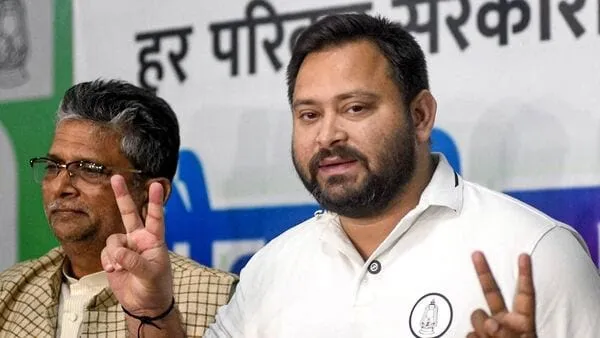
Preliminary exit poll data from Bihar suggests a close electoral contest, with the Mahagathbandhan (Grand Alliance) holding a clear advantage in the Seemanchal region. According to projections, the Mahagathbandhan is expected to secure approximately 15 seats, while the National Democratic Alliance (NDA) may manage around 8. The Seemanchal belt, a politically sensitive and demographically diverse area, has historically played a decisive role in shaping Bihar’s political trajectory. These figures indicate a strong performance by the opposition bloc, reflecting a shift in voter sentiment amid local economic, social, and governance-related concerns leading up to the polls.
Seemanchal: The Political Bellwether of Bihar
The Seemanchal region, comprising key districts such as Kishanganj, Purnea, Araria, and Katihar, has long been considered a political battleground in Bihar. Its distinct demographic makeup—marked by a significant minority population and a mix of rural and semi-urban constituencies—makes it a vital electoral zone for both major alliances.
Historically, voting patterns in Seemanchal have often reflected the broader mood of the state. A swing in this region typically influences overall seat distribution, underscoring its importance as an electoral indicator. With the Mahagathbandhan projected to outperform the NDA here, political observers view these results as an early signal of a potentially competitive statewide outcome.
Exit Poll Findings: Mahagathbandhan Leads, NDA Holds Ground in Pockets
As per exit poll projections, the Mahagathbandhan is expected to capture around 15 seats in Seemanchal, while the NDA may secure 8. These numbers highlight the Grand Alliance’s dominance in traditional strongholds, where it appears to have consolidated support among key voter segments, including minorities and economically marginalized communities.
The NDA, led by the BJP and its allies, continues to maintain influence in pockets where development projects and welfare schemes have resonated with the electorate. However, the data suggests that it has struggled to make significant inroads into constituencies where local discontent over unemployment and agrarian distress remains strong.
Underlying Factors Shaping Voter Preferences
Several factors seem to have contributed to the Mahagathbandhan’s lead in Seemanchal. Foremost among them is local dissatisfaction with employment opportunities, infrastructure gaps, and migration issues that have persisted despite repeated promises of reform. Additionally, the Grand Alliance’s emphasis on social equity, youth empowerment, and regional representation has found traction among younger voters and first-time participants in the electoral process.
Religious and caste dynamics also continue to play a critical role. The region’s sizable minority population has historically leaned toward secular parties, a trend that appears consistent in the current projections. Meanwhile, the NDA’s messaging around national security and central welfare programs, though effective in urban zones, may not have been sufficient to overcome regional grievances.
Economic and Governance Context
Seemanchal’s socio-economic landscape has remained a challenge for successive administrations. With agriculture as the dominant livelihood, frequent flooding, poor infrastructure, and limited industrial development have perpetuated economic stagnation.
Voters have increasingly demanded tangible improvements in education, healthcare, and connectivity—areas where they feel progress has been slow. The Mahagathbandhan’s campaign strategy, focusing on local governance accountability rather than broader ideological narratives, appears to have struck a chord with disenchanted voters seeking grassroots change.
Conversely, the NDA’s reliance on centralized policy achievements, such as national welfare initiatives and digital reforms, may have failed to address the region’s immediate developmental needs.
Political Implications for Bihar’s Power Equation
If these projections hold true, the results from Seemanchal could have broader implications for Bihar’s political arithmetic. A strong showing by the Mahagathbandhan in this region may offset NDA gains in other parts of the state, intensifying competition in the final seat tally.
Analysts suggest that the NDA’s relatively muted performance could prompt strategic recalibration, especially in messaging around regional inclusivity and grassroots governance. Meanwhile, the Grand Alliance’s apparent resurgence may reinvigorate its leadership, reinforcing its narrative of social justice and equitable development.
Ultimately, the results in Seemanchal may not only shape Bihar’s electoral landscape but also signal the direction of regional politics in the years ahead.
Conclusion: A Region That Reflects Bihar’s Changing Mood
The Seemanchal exit poll results underscore more than just numbers—they reveal a narrative of shifting aspirations. Voters appear to be responding to issues that extend beyond party loyalty, emphasizing livelihood, education, and local representation.
As the final vote count approaches, both alliances are likely to scrutinize Seemanchal’s message closely. Whether the Mahagathbandhan can translate its projected lead into a statewide advantage or the NDA can stage a late recovery will depend on how effectively each coalition addresses the ground realities shaping Bihar’s political future.
Comments