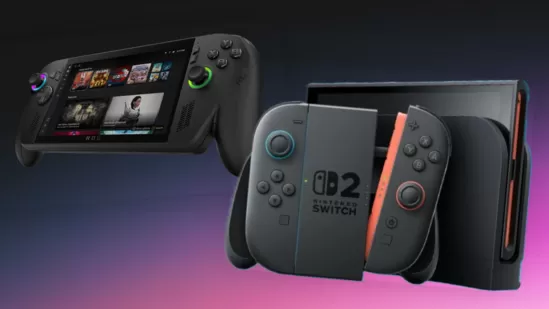
The handheld gaming landscape is undergoing a significant transformation with the arrival of two formidable devices: the Nintendo Switch 2 and ROG Ally. While the Switch 2 builds upon its legacy of accessible gameplay and exclusive franchises, the ROG Ally emerges as a high-performance handheld PC with extensive compatibility and powerful hardware. From raw performance and display specs to battery efficiency and gaming libraries, each device targets a different segment of the gaming audience. Here’s an in-depth comparison to help consumers understand which device better suits their gaming style and expectations.
Hardware and Performance: Console vs. PC Power
The ROG Ally distinguishes itself as a handheld PC, equipped with a Ryzen Z2 chipset, delivering a performance leap over traditional gaming consoles. It boasts more RAM and higher GPU clock speeds compared to the Nintendo Switch 2, which favors efficiency over brute force. The Ally also includes SSD storage configurations up to 2TB, offering PC-like flexibility, while the Switch 2 is limited to 256GB of internal storage, albeit expandable via microSD.
For gamers focused on high-performance AAA titles and multitasking, the Ally offers clear advantages. It supports Windows 11, giving users access to a full-fledged desktop environment and platforms like Steam, Xbox Game Pass, and Epic Games Store.
Design and Display: Customization Meets Practicality
Design-wise, the Switch 2 retains its user-friendly form factor with a 7.9-inch touchscreen and removable Joy-Con controllers, reinforcing its appeal for multiplayer gaming and portability. Its slim profile at 15mm thickness and weight around 400 grams makes it one of the most convenient handhelds for everyday use.
In contrast, the ROG Ally opts for a more traditional handheld PC design with a 7-inch touchscreen, integrated controls, and a bulkier build. Both devices use 120Hz Full HD IPS LCD displays, providing a fluid visual experience. Gamers prioritizing display size and ergonomic versatility may lean towards the Switch 2, while those valuing a robust control setup might find the Ally more comfortable for extended sessions.
Software Ecosystem and Game Libraries
Nintendo’s biggest competitive edge lies in its exclusive game ecosystem. Franchises like The Legend of Zelda, Super Smash Bros., and Animal Crossing remain unrivaled in fan loyalty and cultural influence. The Switch 2 continues to build upon this rich library, which plays a decisive role for casual and family-oriented gamers.
The ROG Ally, however, opens the floodgates to thousands of titles across PC platforms. The inclusion of emulators and compatibility with multiple game stores makes it a dream machine for seasoned gamers looking for versatility and long-term variety.
Battery Life and User Experience
Battery performance is a key differentiator. The ROG Ally houses a powerful 80Wh battery, theoretically offering up to 8.5 hours of gameplay. However, actual performance varies significantly based on graphical demands and processing loads, especially with resource-intensive PC titles.
In contrast, the Switch 2’s smaller battery is software-optimized, enabling it to deliver comparable playtime despite lower capacity. Nintendo’s lean operating system and efficient hardware allow it to preserve battery life more effectively under consistent usage.
Final Verdict: Two Devices, Two Philosophies
The ROG Ally is ideal for power users, PC enthusiasts, and gamers who want one device that can handle triple-A titles, emulation, streaming, and productivity tasks. Its price point and complexity might not appeal to the average consumer, but for serious gamers, it’s a high-performance marvel.
The Nintendo Switch 2, on the other hand, offers a more accessible and social experience. With its iconic exclusives, intuitive design, and reliable software ecosystem, it remains the preferred choice for families, casual gamers, and those who value portability and community-driven play.
Ultimately, the better device depends not just on specs—but on how and why you play.
Comments