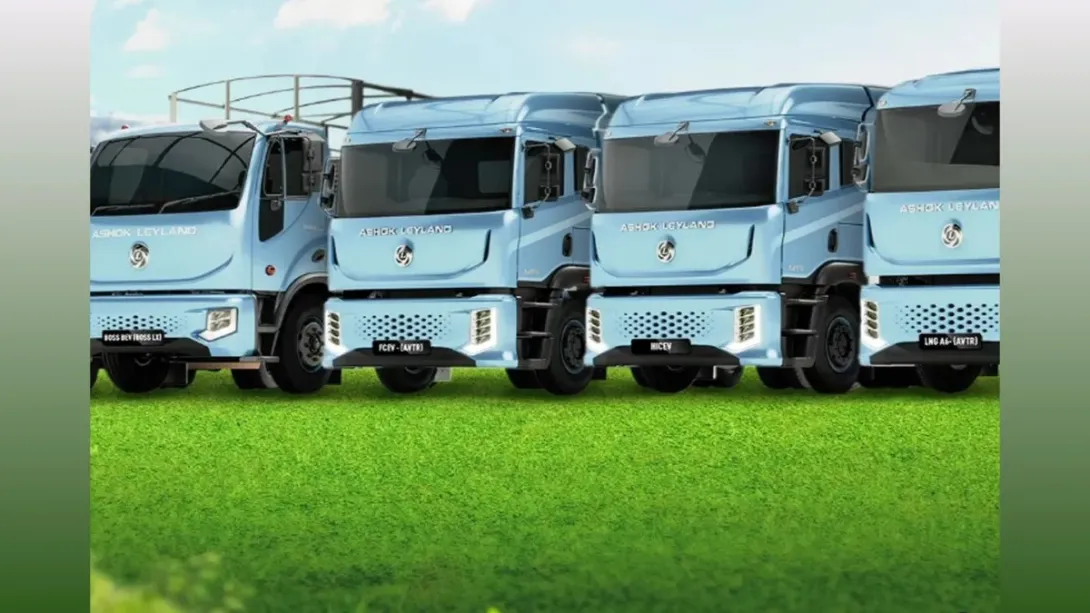
Ashok Leyland, one of India’s leading commercial vehicle manufacturers, reported a 9% year-on-year increase in sales for September. Strong demand across light, medium, and heavy commercial vehicle segments contributed to the growth, reflecting a robust recovery in logistics and transportation sectors. Analysts attribute the performance to rising freight activity, improved rural mobility, and strategic product launches targeting fuel efficiency and compliance with emission norms. The growth underscores the resilience of India’s commercial vehicle market despite macroeconomic pressures, and positions Ashok Leyland as a key beneficiary of increased infrastructure spending and expanding trade activities across the country.
Sales Performance by Segment
Ashok Leyland achieved notable growth across multiple categories:
Heavy Commercial Vehicles (HCVs): Demand remained strong in construction and long-haul freight segments.
Medium & Light Commercial Vehicles (MCVs & LCVs): Growth driven by last-mile delivery requirements and e-commerce logistics expansion.
Exports: The company continued to strengthen its presence in international markets, contributing positively to overall volumes.
The diversified portfolio allowed Ashok Leyland to capitalize on multiple demand drivers simultaneously.
Factors Driving Growth
Several elements fueled the 9% sales uptick:
Infrastructure Push: Government investment in highways, roads, and logistics hubs increased freight movement.
Fleet Expansion: Rising transportation and logistics requirements from both organized and unorganized sectors.
Product Innovation: Launch of fuel-efficient, emission-compliant vehicles enhanced competitiveness.
Experts note that this performance is indicative of steady recovery trends in India’s commercial vehicle market post-pandemic.
Outlook and Strategic Initiatives
Ashok Leyland plans to sustain momentum by:
Expanding production capacity and optimizing supply chains to meet growing demand.
Launching advanced vehicles aligned with BS-VI emission norms and green technology adoption.
Leveraging digital solutions for fleet management, enhancing customer value propositions.
The company is also exploring opportunities in electric and hybrid commercial vehicles to tap into the emerging sustainable mobility market.
Conclusion
Ashok Leyland’s 9% sales growth in September demonstrates resilience in India’s commercial vehicle sector, driven by robust demand across segments and strategic product positioning. With infrastructure expansion, logistics growth, and technological advancements, the company is poised for continued growth, solidifying its leadership in India’s commercial mobility landscape.
Comments