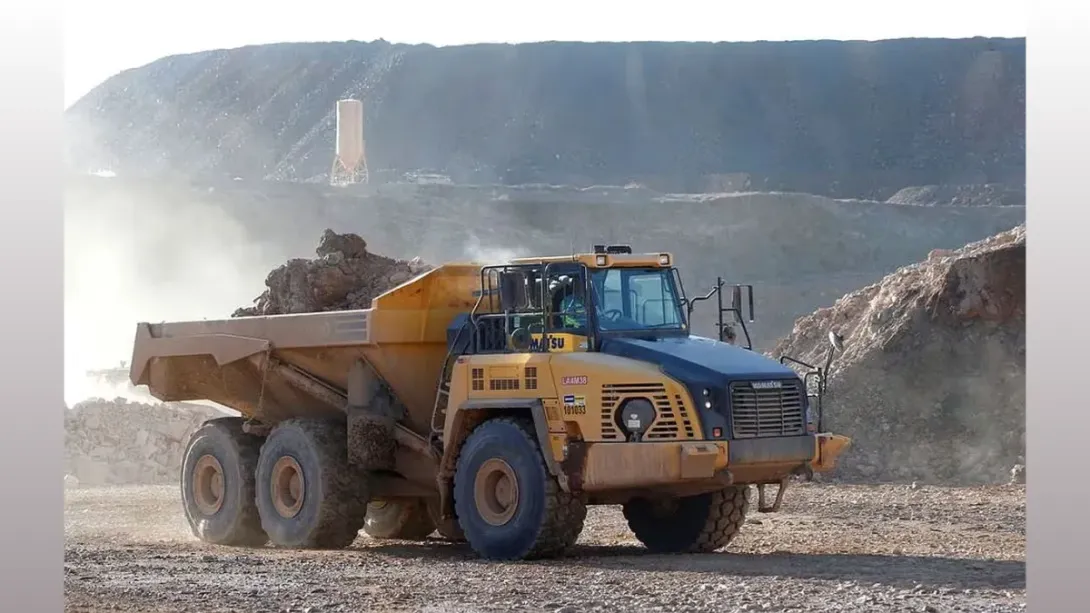
Andhra Pradesh is moving decisively to develop domestic rare earth mineral resources in a strategic effort to reduce India’s dependence on imports from China. The initiative reflects mounting geopolitical and supply chain concerns, as rare earth elements remain indispensable to clean energy technologies, defense systems, and advanced electronics. By accelerating exploration and extraction within the state, policymakers aim to strengthen national mineral security and support India’s manufacturing ambitions. The development positions Andhra Pradesh as a critical node in the country’s long-term industrial strategy, with potential implications for trade balances, foreign policy, and high-technology supply chains.
Strategic Push for Mineral Self-Reliance
In a significant step toward supply chain diversification, the government of Andhra Pradesh has initiated measures to scale up rare earth mineral mining within the state. The move aligns with India’s broader strategy to secure critical raw materials essential for next-generation industries.
Rare earth elements—comprising 17 chemically similar metals—are fundamental to electric vehicles, wind turbines, semiconductors, advanced batteries, and precision-guided defense equipment. At present, China dominates global processing and supply, accounting for a substantial share of worldwide output.
For India, reducing this dependency is not merely an economic imperative but also a matter of strategic autonomy.
Reducing Import Dependence on China
India currently sources a significant proportion of its processed rare earth materials from China, a concentration risk that has raised concerns among policymakers and industry leaders. Trade disruptions, geopolitical tensions, and export controls have underscored vulnerabilities within global mineral supply chains.
By strengthening domestic mining and processing capabilities, Andhra Pradesh aims to reduce exposure to external supply shocks. Officials have indicated that exploration activities will be intensified, with an emphasis on commercially viable reserves.
Industry analysts argue that this transition could help narrow India’s critical mineral import bill over the medium term, particularly as demand for electric mobility and renewable energy technologies accelerates.
Unlocking Andhra’s Mineral Potential
Coastal districts in Andhra Pradesh are believed to host deposits of monazite and other mineral sands rich in rare earth elements. Leveraging these reserves could transform the state into a strategic mineral hub.
Infrastructure development, streamlined regulatory clearances, and public-private partnerships are expected to play a central role in scaling production. Authorities are reportedly exploring collaboration with specialized mining and processing firms to ensure technological expertise and environmental compliance.
The state’s mining expansion also aligns with the central government’s vision of strengthening domestic value chains under the broader “Make in India” framework.
Economic and Industrial Implications
Rare earth elements occupy a pivotal position in global industrial ecosystems. Their application spans telecommunications, aerospace, green hydrogen, and advanced robotics. As nations pivot toward decarbonization and digital transformation, secure access to these minerals is increasingly synonymous with economic competitiveness.
For Andhra Pradesh, expanded mining could generate employment, attract capital investment, and stimulate downstream manufacturing clusters. Over time, local processing facilities may reduce the need to export raw ore and re-import refined materials, improving value retention within India.
However, experts caution that rare earth mining and processing involve complex environmental considerations. Responsible extraction practices and transparent regulatory oversight will be essential to ensure sustainable growth.
Geopolitical and Strategic Context
Globally, governments are recalibrating mineral supply chains to mitigate overreliance on single-country sources. The United States, Australia, and members of the European Union have launched similar initiatives to diversify rare earth sourcing.
India’s move through Andhra Pradesh signals a recognition that critical minerals underpin technological sovereignty. Strengthening domestic capacity not only enhances trade resilience but also reinforces national security objectives.
Outlook: Building a Resilient Supply Chain
The rare earth mining initiative in Andhra Pradesh represents a forward-looking bet on strategic self-sufficiency. While the path to scaling production and processing may require substantial capital expenditure and technological refinement, the long-term benefits are potentially transformative.
If executed effectively, Andhra Pradesh could emerge as a cornerstone of India’s critical mineral ecosystem—reducing import dependency, bolstering industrial capacity, and positioning the country more competitively within the global clean energy and high-technology landscape.
In an era defined by resource nationalism and supply chain realignment, the state’s rare earth ambitions mark a consequential chapter in India’s economic evolution.
Comments