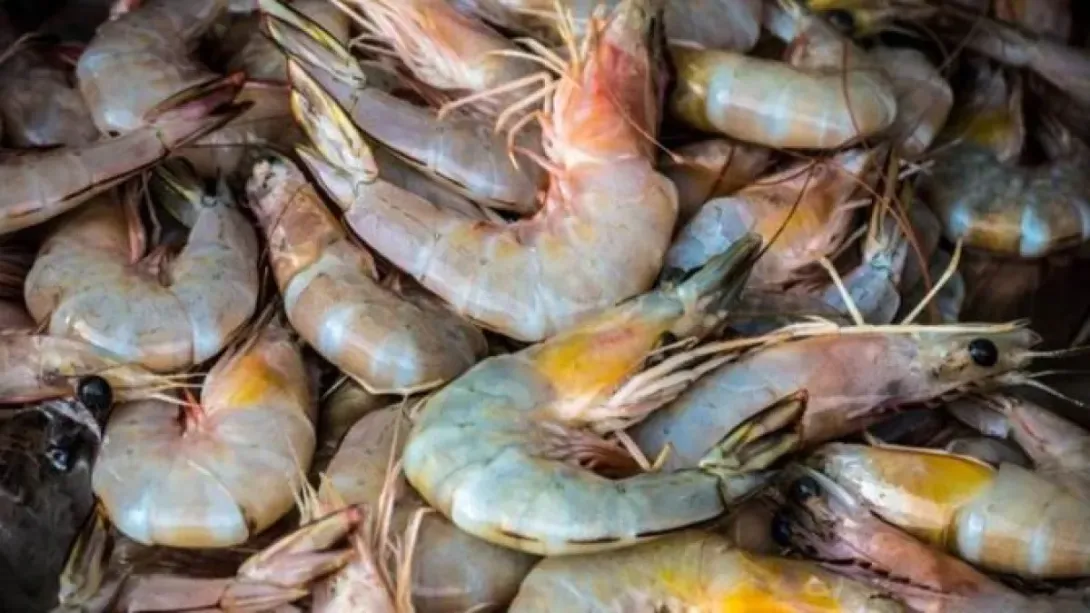
Himachal Pradesh aims to increase fish production to 19,000 tonnes by FY26, driven by state-backed aquaculture initiatives and sustainable fisheries management. The plan seeks to enhance rural livelihoods, boost nutritional security, and tap into growing domestic demand for fish. Investments in hatcheries, cold chain infrastructure, and farmer training are central to achieving this target. By promoting scientific fish farming practices and public-private partnerships, the state intends to scale output while conserving natural water resources. The initiative highlights the intersection of economic development, environmental sustainability, and food security in Himachal Pradesh’s aquaculture strategy.
Strategic Goals and Production Targets
The Himachal Pradesh government has set an ambitious production target of 19,000 tonnes of fish by FY26, up from current levels. This increase is part of a broader strategy to strengthen rural economies, provide alternative income sources for farmers, and meet the rising protein consumption demand in the region and neighbouring states.
Scientific aquaculture methods, improved feed, and better water management are expected to drive efficiency and higher yields.
Infrastructure Development and Support
Achieving these targets requires investment in critical infrastructure. The state is expanding hatcheries, upgrading fish seed production facilities, and establishing cold storage and supply chain networks to minimise post-harvest losses. Extension services are being strengthened to provide farmers with technical guidance on species selection, disease management, and farm productivity.
Such measures aim to ensure the long-term viability and profitability of aquaculture operations.
Role of Public-Private Partnerships
Public-private partnerships (PPPs) are being leveraged to accelerate production growth. By engaging private sector expertise and capital, Himachal Pradesh can scale operations, introduce innovative technologies, and enhance market linkages for fish products. PPPs also facilitate farmer training programs, quality control, and value addition initiatives, ensuring higher returns for producers.
Environmental and Sustainability Considerations
Sustainable aquaculture remains a core priority. The government is promoting eco-friendly farming practices, responsible feed use, and conservation of natural water bodies. Policies are being implemented to prevent overexploitation of rivers and lakes, aligning economic development with environmental stewardship.
Experts highlight that balancing productivity with sustainability will be crucial for meeting FY26 targets.
Outlook and Economic Implications
With a targeted 19,000 tonnes output by FY26, Himachal Pradesh is positioning itself as a significant contributor to India’s inland fisheries. The growth is expected to enhance rural incomes, expand the supply of nutritious fish protein, and support ancillary sectors such as feed production, processing, and cold storage.
If executed effectively, the initiative demonstrates how strategic planning in aquaculture can simultaneously drive economic growth, food security, and sustainable resource management.
Comments