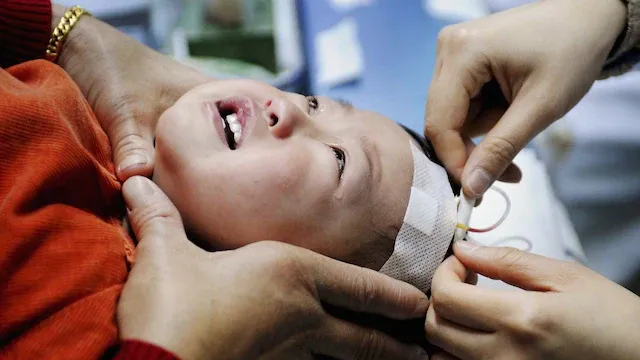
Hand, Foot, and Mouth Disease (HFMD), a contagious viral infection primarily affecting children, is witnessing a significant uptick in Delhi, Gurugram, and Noida. Pediatric clinics are reporting approximately 5–6 new cases daily, particularly among children aged 2–7. The monsoon season has exacerbated the spread of this illness. Health experts emphasize the importance of early detection, hygiene practices, and isolation of symptomatic children to prevent further transmission.
Understanding Hand, Foot, and Mouth Disease
HFMD is a viral illness caused by enteroviruses, notably Coxsackievirus A16 and Enterovirus 71. It spreads rapidly in environments like schools and daycare centers through respiratory droplets, direct contact, and contaminated surfaces. Symptoms typically appear 3–5 days post-exposure and include:
- Persistent fever
- Painful mouth ulcers
- Red rashes or small blisters on the palms, soles, and buttocks
- Sore throat with drooling
- Unusual irritability and fatigue in children
While most cases resolve within a week without complications, early detection and supportive care are crucial.
Recent Surge in Delhi-NCR
In the past week, pediatric clinics across Delhi, Gurugram, and Noida have reported a noticeable increase in HFMD cases. Doctors are treating approximately 5–6 new cases daily, with children aged 2–7 being the most affected. The monsoon season, characterized by increased humidity, has created an environment conducive to the spread of the virus. Health experts attribute the rise in cases to the virus's heightened activity during this period.
Preventive Measures and Public Health Response
To curb the spread of HFMD, health authorities and educational institutions are emphasizing the following preventive measures:
- Hygiene Practices: Encourage frequent handwashing with soap and water, especially after diaper changes and before meals.
- Surface Disinfection: Regularly clean and disinfect commonly touched surfaces, including doorknobs, countertops, and toys.
- Isolation: Keep children exhibiting symptoms of HFMD at home until they recover.
- Avoid Close Contact: Limit interactions between infected individuals and healthy children to prevent transmission.
Schools and daycare centers are being urged to implement stringent sanitation measures and encourage parents to keep symptomatic children at home. The Directorate of Education in Delhi has issued guidelines for schools to ensure timely isolation and seek medical attention for affected children.
Conclusion
While HFMD is generally a mild illness, the recent surge in cases in Delhi-NCR underscores the need for heightened awareness and preventive measures. Parents are encouraged to remain vigilant and consult healthcare professionals if their child exhibits symptoms. With prompt action and adherence to hygiene practices, the spread of HFMD can be effectively controlled.
Comments