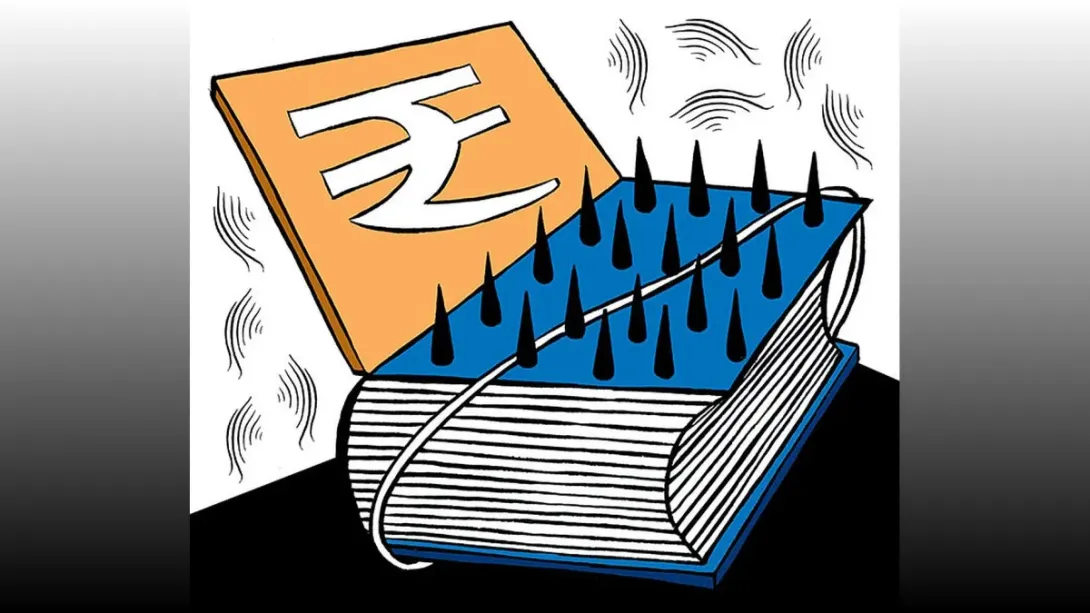
India’s evolving fiscal deficit trajectory and recent revisions to gross domestic product (GDP) estimates for FY23 to FY25 are reshaping the country’s macroeconomic narrative. Updated data released by the Ministry of Statistics and Programme Implementation and fiscal projections from the Ministry of Finance (India) suggest that stronger economic growth has provided the government with greater fiscal flexibility, even as public expenditure remains elevated. The recalibration of GDP figures affects key indicators including the fiscal deficit-to-GDP ratio, borrowing requirements and debt sustainability. For investors and policymakers alike, these revisions provide a clearer perspective on India’s economic resilience and the government’s ability to balance growth ambitions with fiscal discipline.
Understanding the Fiscal Deficit and GDP Revisions
The fiscal deficit—defined as the gap between government expenditure and revenue—remains one of the most closely monitored indicators of macroeconomic stability. In India, fiscal management is guided by targets set by the Ministry of Finance (India) under the framework of the Fiscal Responsibility and Budget Management (FRBM) Act.
Recent revisions to GDP estimates by the Ministry of Statistics and Programme Implementation have altered the denominator used to calculate the fiscal deficit-to-GDP ratio for FY23, FY24 and FY25. When GDP figures are revised upward, the fiscal deficit ratio often appears lower even if the absolute borrowing level remains unchanged.
This recalibration provides policymakers with additional room to maintain public investment without breaching fiscal targets.
FY23–FY25: Revised Economic Data
The revised GDP series indicates stronger economic performance than previously estimated. Higher nominal GDP levels translate into improved fiscal metrics, as the government’s deficit is measured against a larger economic base.
For FY23, revised estimates suggest that India’s economy expanded more robustly than earlier projections indicated. Similar adjustments are reflected in the FY24 and FY25 outlook, reinforcing the perception that India remains one of the fastest-growing major economies.
These revisions not only influence fiscal deficit calculations but also affect other economic indicators such as tax-to-GDP ratios, debt sustainability and per-capita income metrics.
Fiscal Deficit Trends and Government Strategy
Despite the positive impact of higher GDP estimates, the government continues to maintain a cautious approach to fiscal management. Public expenditure remains high due to investments in infrastructure, social welfare programs and industrial development initiatives.
The fiscal deficit is projected to gradually decline over the coming years as revenue collection improves and economic growth strengthens. Policymakers have emphasized the importance of balancing fiscal consolidation with sustained capital expenditure to support long-term economic expansion.
This strategy reflects a broader shift toward growth-oriented fiscal policy, where public investment is used as a catalyst for private sector participation.
Implications for Government Borrowing and Debt
Changes in the fiscal deficit-to-GDP ratio have direct implications for government borrowing requirements and debt sustainability.
A lower deficit ratio—resulting from higher GDP estimates—can improve investor confidence and reduce concerns regarding fiscal stress. Sovereign bond markets closely monitor these indicators when evaluating a country’s fiscal credibility.
For India, maintaining a stable fiscal trajectory is particularly important as the country seeks to attract global capital and expand its presence in international financial markets.
Impact on Financial Markets and Investors
Revisions to macroeconomic indicators often influence market sentiment across equities, bonds and currency markets. Investors typically interpret stronger GDP figures as a signal of economic resilience and improved corporate earnings potential.
At the same time, fiscal discipline remains a critical factor in determining sovereign credit ratings and long-term investment flows. If the government successfully balances growth-driven spending with gradual deficit reduction, it could reinforce India’s position as an attractive destination for global investors.
Institutional investors and financial analysts therefore closely examine updated fiscal and GDP data to assess the sustainability of economic policy.
Broader Economic Outlook for India
The interplay between fiscal deficit management and GDP growth will remain a central theme in India’s economic strategy over the next several years. While higher growth rates provide fiscal breathing space, structural reforms and efficient public spending will be essential to maintain long-term stability.
India’s expanding infrastructure investments, rising domestic consumption and growing manufacturing sector continue to support the country’s economic momentum.
As revised GDP data reshape the fiscal narrative for FY23 through FY25, policymakers face the challenge of leveraging this momentum while maintaining prudent fiscal governance—an equilibrium that will ultimately determine the sustainability of India’s growth trajectory.
Comments