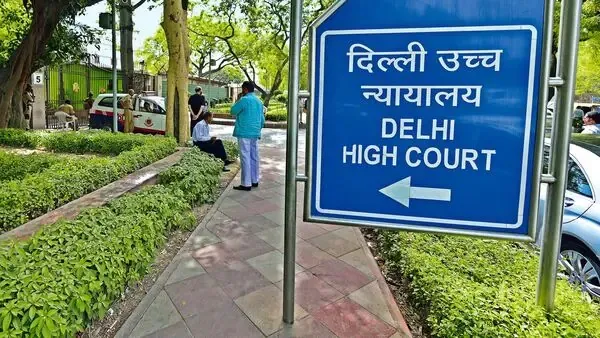
The Delhi High Court has emerged as a decisive pillar in India’s judicial framework, frequently shaping governance, business practices, and civil rights through its rulings. Beyond adjudicating disputes, the court has increasingly intervened in matters of public interest—ranging from corporate accountability to environmental regulation and digital privacy. Its judgments often carry financial, political, and social ramifications, influencing policy and reshaping markets. As the national capital continues to witness economic expansion alongside social challenges, the court’s role underscores the growing importance of judicial oversight in balancing rapid development with the constitutional rights of citizens and the responsibilities of institutions.
A Court of National Significance
Although its jurisdiction is confined to the National Capital Territory of Delhi, the Delhi High Court’s influence often extends far beyond city limits. Given Delhi’s position as the political and financial hub of India, cases brought before the court frequently involve central government agencies, multinational corporations, and regulatory bodies. This ensures that many of its verdicts carry nationwide resonance, setting precedents that ripple across India’s legal and business landscape.
Economic and Business Implications
The High Court has consistently dealt with cases that impact India’s corporate sector. From disputes involving taxation and intellectual property to cases concerning foreign direct investment, its rulings can shift the financial outlook of companies overnight. For instance, decisions on insolvency, corporate restructuring, or taxation disputes directly influence investor confidence, capital markets, and the ease of doing business. Legal experts note that predictability and judicial consistency remain critical for India’s ambition to attract global investment, and the Delhi High Court plays a pivotal role in ensuring that balance.
Public Interest and Social Justice
The court’s interventions are not limited to the corporate or political arena. Over the years, it has addressed cases concerning pollution, women’s safety, housing rights, and digital freedom. The Delhi High Court’s proactive stance on air quality management in the capital reflects its willingness to hold both government agencies and industries accountable for public welfare. Likewise, its recent handling of cases on data protection and online expression signals the judiciary’s recognition of emerging challenges in the digital age.
Challenges of Judicial Backlog
Like many courts across India, the Delhi High Court faces the persistent challenge of case backlogs. Thousands of pending matters slow down the pace of justice, raising concerns about efficiency and accessibility. Legal analysts argue that greater adoption of technology, investment in judicial infrastructure, and systemic reforms are needed to reduce delays. Given its importance, the court’s ability to deliver timely verdicts is crucial for maintaining public trust in the rule of law.
The Broader Outlook
The Delhi High Court is more than a judicial body—it is a driver of accountability and a stabilizing force in India’s democratic framework. Its decisions carry consequences that shape not only individual rights but also the trajectory of businesses, government policies, and even international perceptions of India’s legal system. As the nation navigates rapid economic growth alongside social complexities, the court will remain a central institution bridging the gap between governance, commerce, and civil society.
Comments