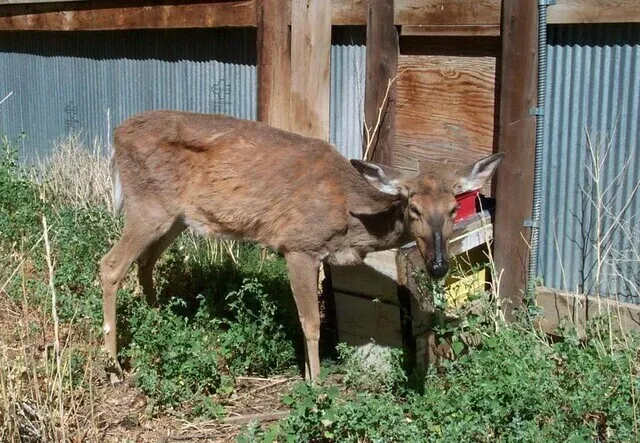
Chronic Wasting Disease (CWD), a progressive neurodegenerative illness affecting deer and other cervids, has emerged as a significant concern for wildlife management and ecological stability. The disease, caused by prions, leads to severe neurological degeneration, weight loss, and eventual death in infected animals. Its expanding geographic presence, coupled with the potential for environmental contamination, has prompted intensified surveillance and research efforts. While there is currently no evidence of transmission to humans, experts emphasize precautionary measures for hunters and wildlife professionals. Understanding CWD dynamics is critical for protecting wildlife populations, maintaining ecological balance, and mitigating potential long-term public health risks.
Understanding Chronic Wasting Disease
CWD is a fatal prion disease primarily affecting deer, elk, and moose:
- Nature of the Disease: Prions are misfolded proteins that cause progressive neurodegeneration in infected animals.
- Symptoms in Deer: Infected deer display dramatic weight loss, behavioral changes, excessive salivation, and lethargy.
- Transmission: Disease spreads through direct contact with infected animals or contaminated environments, including soil and water.
Experts note that CWD can persist in the environment for years, making containment particularly challenging.
Geographic Spread and Wildlife Impact
CWD has been detected across multiple regions, affecting both wild and captive deer populations:
- North American Prevalence: Outbreaks have been reported in the United States and Canada, with increasing incidence in the Midwest and Northeast.
- Environmental Contamination: Prions shed through urine, feces, and carcasses contribute to persistent environmental reservoirs.
- Population Dynamics: The disease threatens herd sustainability, raising concerns for biodiversity and ecosystem stability.
Monitoring and proactive management are essential to prevent further geographic spread.
Research, Monitoring, and Management Strategies
Wildlife authorities are implementing a multi-pronged approach to CWD management:
- Surveillance Programs: Routine testing of hunter-harvested deer and field observations help track disease prevalence.
- Containment Measures: Controlled culling, habitat management, and carcass disposal protocols aim to reduce transmission risk.
- Scientific Research: Investigations focus on prion biology, transmission mechanisms, and potential interventions.
Collaboration between wildlife agencies, academic institutions, and local communities is critical for effective disease mitigation.
Public Health and Hunter Guidelines
While no confirmed human cases of CWD have been reported, health authorities recommend precautions:
- Safe Handling: Hunters are advised to wear gloves, avoid consuming nervous system tissue, and thoroughly cook venison.
- Carcass Disposal: Proper disposal of carcasses and offal minimizes environmental contamination.
- Awareness Campaigns: Educating stakeholders ensures compliance with testing and reporting regulations.
These measures aim to protect both wildlife and human populations while research continues.
Ecological and Economic Implications
CWD has far-reaching consequences beyond animal health:
- Ecological Balance: Declining deer populations can disrupt predator-prey dynamics and vegetation patterns.
- Economic Impact: Hunting industries, wildlife tourism, and conservation programs face financial pressures due to disease-related restrictions.
- Policy Considerations: Integrated management strategies, backed by science, are necessary to safeguard ecosystems and community livelihoods.
Comments