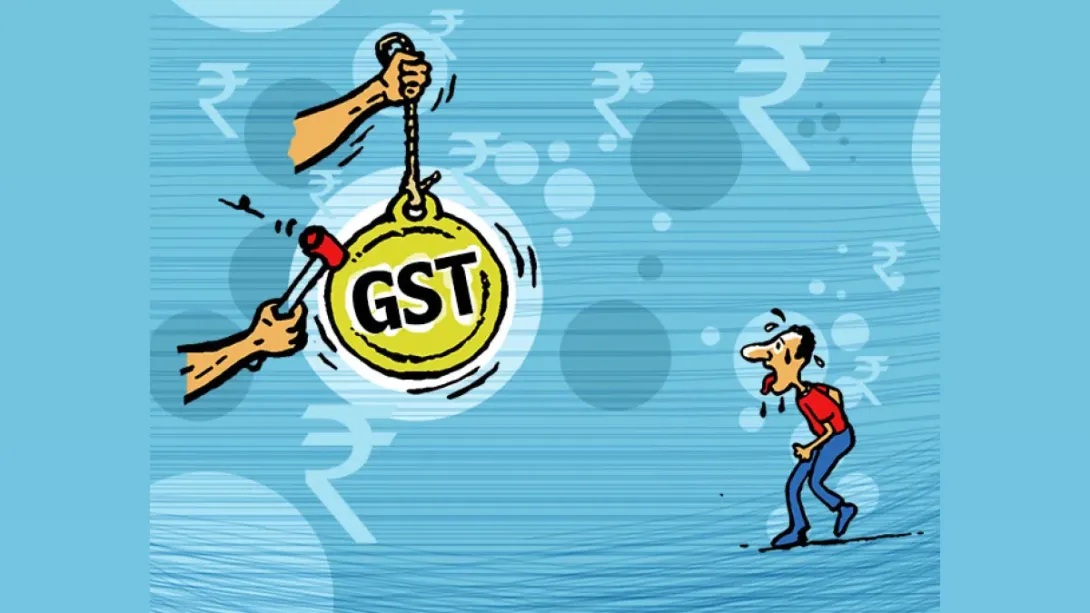
Central GST authorities in Gurugram have dismantled an alleged fake invoicing racket involving fraudulent input tax credit claims, intensifying the government’s campaign against tax evasion under the Goods and Services Tax regime. Officials from the Central Goods and Services Tax (CGST) department conducted coordinated searches and identified multiple shell entities that allegedly generated bogus invoices without actual supply of goods or services. The operation is part of a broader nationwide enforcement drive aimed at protecting revenue and enhancing tax compliance. Authorities said the investigation is ongoing, with further arrests and financial recoveries possible.
Enforcement Action in Gurugram
The Gurugram Commissionerate of the Central Goods and Services Tax has uncovered a network of firms allegedly engaged in issuing fake GST invoices to facilitate fraudulent input tax credit (ITC) claims. Officials said the entities operated without genuine business activity, existing primarily on paper to circulate fabricated transactions.
Search operations were conducted across multiple premises in and around Gurugram, where investigators seized digital records, financial documents, and communication devices believed to contain evidence of coordinated tax evasion.
Preliminary findings suggest that the racket may have generated invoices amounting to several crore rupees, enabling unlawful ITC claims and reducing tax liabilities for beneficiary entities.
Modus Operandi of the Alleged Racket
According to officials familiar with the probe, the suspected operators established shell companies using forged documentation and nominee directors. These entities reportedly issued invoices without corresponding movement of goods or provision of services.
Such invoices allow recipient firms to claim input tax credit under GST provisions, effectively reducing their net tax outgo. By fabricating supply chains, fraudulent networks exploit system vulnerabilities, causing significant revenue leakage.
Authorities are analyzing transaction trails to identify the ultimate beneficiaries of the alleged fraud. Bank accounts linked to the entities are also under scrutiny to trace fund flows.
Legal Framework and Potential Penalties
Under GST law, fraudulent ITC claims and issuance of fake invoices constitute serious offenses punishable by arrest and prosecution. Convictions may attract substantial fines and imprisonment, depending on the magnitude of evasion.
The CGST department has been leveraging advanced data analytics and invoice-matching technology to detect anomalies in tax filings. Discrepancies between outward and inward supplies often trigger red flags for further investigation.
Officials indicated that additional summons may be issued as the probe expands to assess the full scale of the alleged evasion.
Nationwide Crackdown on GST Fraud
The Gurugram operation aligns with a broader enforcement drive targeting fake invoicing networks across India. Since the implementation of GST in 2017, authorities have intensified audits and cross-verification exercises to curb tax evasion.
Data-driven compliance monitoring has become central to enforcement strategy. Automated reconciliation between supplier and purchaser filings helps detect suspicious patterns, including circular trading and inflated ITC claims.
Tax experts note that while GST has streamlined indirect taxation, its complex input credit mechanism can be susceptible to misuse without rigorous oversight.
Implications for Businesses
The crackdown serves as a cautionary signal to businesses regarding due diligence in vendor selection and compliance verification. Companies that unknowingly transact with fraudulent suppliers risk denial of input tax credit and potential penalties.
Legal advisors recommend regular reconciliation of GST returns, vendor audits, and adherence to documentation standards to mitigate exposure. Strengthening internal compliance frameworks has become imperative as enforcement intensifies.
Protecting Revenue Integrity
The alleged fake GST racket underscores the government’s resolve to safeguard public revenue and ensure fair competition. Revenue leakage not only erodes fiscal resources but also disadvantages compliant enterprises.
By dismantling fraudulent networks, authorities aim to reinforce the credibility of India’s indirect tax system. As investigations continue, enforcement agencies are expected to widen scrutiny to interconnected entities and recover unlawfully claimed credits.
For Corporate India, the message is unequivocal: compliance vigilance is no longer optional—it is integral to sustainable business operations in a digitally monitored tax ecosystem.
Comments