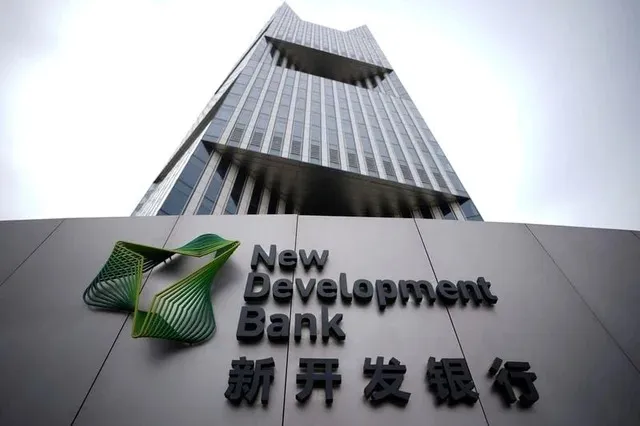
The New Development Bank (NDB), created by the BRICS nations, is preparing to launch its first rupee-denominated bond in India by the end of March 2026. The issue, expected to raise between Rs. 3,300 crore and Rs. 4,100 crore (US$400–500 million), will likely carry a maturity of three to five years. Advanced talks are underway with the Reserve Bank of India, though final approvals are pending. The move is part of the bank’s broader strategy to increase financing in local currencies, reduce reliance on the U.S. dollar, and strengthen domestic bond markets across member countries.
Strategic Rationale Behind the Bond
The NDB, established in 2015 by Brazil, Russia, India, China, and South Africa, has prioritized sustainable infrastructure and development financing. To insulate its lending from exchange-rate fluctuations, the bank has committed to channel at least 30% of its loans and borrowings into local currencies under its 2022-26 strategy.
Issuing rupee bonds in India is a natural extension of this goal. By tapping into India’s domestic debt market, the NDB not only reduces foreign-exchange risk but also signals confidence in the rupee as a reliable financing currency for long-term projects.
Key Features of the Planned Issuance
Size of the Issue: Between US$400–500 million, equivalent to Rs. 3,300–4,100 crore at prevailing exchange rates.
Tenor: Securities are expected to carry maturities ranging from three to five years, balancing investor demand with manageable repayment cycles.
Regulatory Stage: Discussions with the Reserve Bank of India and relevant agencies are in advanced stages, though final approvals are awaited.
This will mark the NDB’s first local-currency borrowing in India, setting a precedent for future issuances.
Implications for India’s Financial Markets
Strengthening the Rupee Bond Market
The issuance could deepen liquidity and provide new benchmarks for corporate and institutional borrowers in India. Domestic investors, particularly pension funds and insurers, may benefit from exposure to high-quality international paper denominated in rupees.
Boosting Rupee Internationalisation
By allowing a BRICS-backed institution to raise funds in the domestic market, India takes a step toward greater international acceptance of the rupee. This aligns with broader geopolitical shifts where emerging economies are exploring alternatives to the U.S. dollar in trade and finance.
Supporting Development Financing
Proceeds are likely to be deployed toward infrastructure and sustainability projects within BRICS countries, reinforcing India’s development priorities while reducing reliance on foreign-currency funding.
Risks and Considerations
While the plan is strategically significant, challenges remain. Volatility in the rupee could influence investor appetite and pricing. Regulatory approvals must be secured in time for the targeted launch. Moreover, the demand from domestic institutional investors will determine whether the bond can be priced competitively relative to sovereign and corporate issuances.
Conclusion
The NDB’s upcoming rupee-denominated bond is more than a financing tool—it is a signal of shifting financial architecture among emerging economies. If successful, the issuance could deepen India’s debt market, reduce currency mismatches for development financing, and contribute to the broader de-dollarisation agenda championed by BRICS nations. It positions India at the forefront of local-currency innovation, highlighting the rupee’s growing role in global finance.
Comments