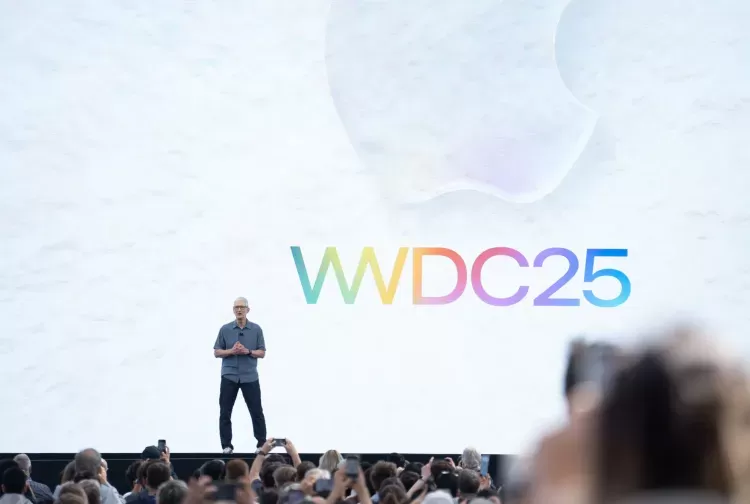
At this year’s Worldwide Developers Conference (WWDC), Apple faces heightened stakes, grappling with internal delays, external legal pressure, and ongoing tariff battles. However, the tech giant's resolve remains strong as it unveils a series of new platform operating system updates, including groundbreaking features and improvements across its ecosystem. With the introduction of Liquid Glass, a new design language, and an open approach to Apple Intelligence, Apple is working to navigate these hurdles while continuing to expand its services. This year’s WWDC promises to offer both innovation and answers to some of the challenges that Apple is currently confronting.
A Crucial Moment for Apple
Apple’s 2025 WWDC comes at a critical juncture for the company. Recent months have been marked by significant challenges, from the slow rollout of ambitious features teased in the previous year’s conference to legal and financial pressures. The company received a scathing reprimand from a U.S. federal judge regarding its App Store policies, and on top of that, ongoing tariff concerns have cast a long shadow over its operations.
Despite these hurdles, Apple’s strategy remains forward-looking, focusing on new technologies and improvements to strengthen its position in a highly competitive market. As it unveils updates to its platform operating systems, the company aims to reassure developers and consumers alike that it continues to innovate while addressing key industry challenges.
New Design Language: Introducing Liquid Glass
A standout feature of this year’s WWDC is the debut of Apple’s new design language, "Liquid Glass." This design aesthetic, expected to become a hallmark of Apple’s future platforms, represents a departure from previous iterations and is expected to offer smoother, more intuitive user interfaces. Liquid Glass promises to enhance both the visual appeal and usability of Apple devices, offering a more polished and cohesive experience across all platforms.
Alongside this design overhaul, Apple has introduced a new annual naming scheme for its major operating systems. This includes iOS 26, macOS Tahoe 26, tvOS 26, watchOS 26, and visionOS 26, signaling a shift toward consistency in updates and greater clarity for users.
Major Platform Updates Across Apple's Ecosystem
The conference also highlighted significant updates to Apple’s ecosystem. iOS 26 will bring new features that improve performance, security, and accessibility across devices. The updates are designed to deliver a more seamless experience for users while introducing new capabilities that integrate well with Apple’s hardware.
In addition, macOS Tahoe 26 is set to make a splash with an emphasis on system optimization and deeper integration with Apple's broader ecosystem. tvOS and watchOS updates are expected to offer greater customization and more features, particularly aimed at enhancing entertainment and fitness experiences.
Perhaps most exciting is the unveiling of visionOS 26, Apple’s operating system for augmented and virtual reality experiences. This is a critical step for the company as it seeks to expand its presence in the immersive technology space, competing with other tech giants aiming to dominate the AR/VR market.
Apple Intelligence: A New Era for Developers
Apple is also expanding its commitment to artificial intelligence with the integration of Apple Intelligence into its operating systems. For the first time, Apple will open up access to on-device AI capabilities for app developers. This move is designed to make it easier for developers to create intelligent, responsive apps that can leverage machine learning directly on users’ devices, rather than relying on cloud-based services. This shift is expected to improve speed, privacy, and overall app performance.
In addition, Apple has partnered with OpenAI to integrate ChatGPT into its "Image Playground" feature, offering users a more interactive and intelligent way to create and manipulate images. This collaboration highlights Apple’s growing investment in AI and machine learning as it continues to compete in the increasingly important field of artificial intelligence.
Multitasking and AirPods: Enhancing User Experience
A major focus for Apple this year is improving multitasking capabilities, particularly for iPadOS. The company is introducing a series of enhancements that will allow users to manage multiple tasks and apps more efficiently on the iPad, making it a more powerful tool for productivity. These updates include new gestures, advanced window management, and improved performance, positioning the iPad as an even stronger contender in the tablet market.
Additionally, AirPods will see a significant upgrade with new camera control features. This new functionality promises to allow users to control cameras on their Apple devices using the AirPods, adding a new layer of convenience for content creators and media consumers.
The Road Ahead: Apple's Response to Legal and Trade Pressures
While Apple's technical innovations take center stage at WWDC, the company continues to face significant challenges in the legal and economic arenas. Earlier this year, a U.S. federal judge criticized Apple’s App Store policies, which have long been a point of contention for developers and competitors. The company has promised to make adjustments, but it remains to be seen how these changes will affect its business model and profitability in the long term.
Moreover, Apple's ongoing struggle with tariffs remains a key issue, particularly as the U.S.-China trade war continues to unfold. Tariffs on Chinese-made goods have impacted Apple’s bottom line, pushing the company to consider diversifying its manufacturing and supply chains to mitigate the financial impact. As Apple rolls out new products and updates, how it navigates these economic challenges will play a significant role in shaping its future trajectory.
Conclusion: Innovation Amidst Adversity
Apple’s WWDC 2025 serves as both a showcase of innovation and a moment of reflection for the company as it navigates significant external pressures. From new operating system updates and the debut of Liquid Glass to AI advancements and multitasking improvements, Apple is continuing to push the envelope on user experience and technological capabilities.
However, the road ahead is far from easy. The company’s ability to adapt to changing legal, economic, and geopolitical landscapes will be critical in determining its continued dominance in the tech industry. Despite the challenges, Apple’s commitment to innovation remains steadfast, and its bold moves at WWDC suggest that it is positioning itself for long-term success in a rapidly evolving digital world.
Comments