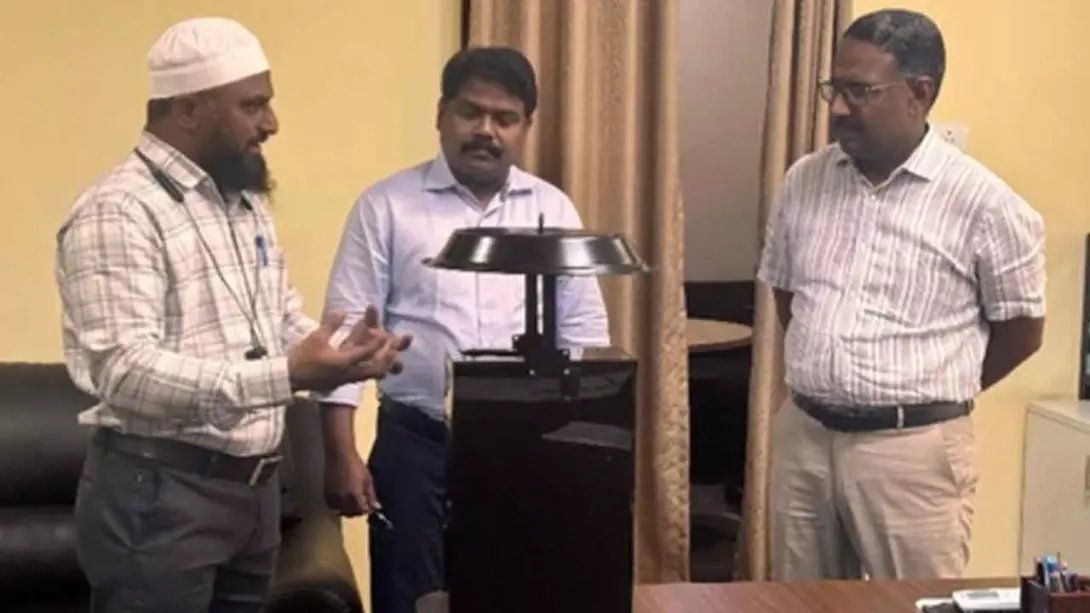
In a pioneering move to modernize public health infrastructure, Andhra Pradesh’s Municipal Administration and Urban Development Department is set to launch a sophisticated, AI-enabled mosquito surveillance and control system. The initiative, dubbed the Smart Mosquito Surveillance System (SMoSS), integrates Artificial Intelligence, Internet of Things (IoT), and drone technologies to combat mosquito-borne illnesses more efficiently. This data-driven program will begin with a pilot phase across 66 locations in six major municipal corporations. SMoSS aims to streamline disease control operations, reduce costs, and promote preventive healthcare through real-time monitoring, targeted fumigation, and operational accountability.
Smart Mosquito Control: A Technological Leap in Urban Health Management
In response to the growing threat of vector-borne diseases, the Government of Andhra Pradesh has unveiled a groundbreaking initiative that leverages deep technology to fight mosquito proliferation. The Smart Mosquito Surveillance System (SMoSS) is poised to replace the outdated and inefficient model of random chemical spraying with an evidence-based, technology-centric methodology.
Developed in partnership with a private tech firm, SMoSS employs a multi-layered system of AI-powered sensors, drones, data analytics, and mobile platforms to monitor mosquito populations and take timely, targeted action.
Pilot Launch Across Six Key Urban Zones
The pilot phase of SMoSS will roll out across six urban municipal corporations:
- Visakhapatnam: 16 locations
- Kakinada: 4 locations
- Rajamahendravaram: 5 locations
- Vijayawada: 28 locations
- Nellore: 7 locations
- Kurnool: 6 locations
These locations have been identified based on their high mosquito density and historical incidence of diseases like dengue, malaria, and chikungunya.
Real-Time Monitoring Through AI and IoT
At the core of SMoSS are smart sensors strategically placed in mosquito-prone areas. These devices collect granular data such as mosquito species, gender, density, ambient temperature, and humidity. Once the population density crosses a pre-defined threshold, automatic alerts are triggered and transmitted to a central server. The insights are visualized on a real-time dashboard accessible to civic authorities.
This high-resolution monitoring system allows for pinpointed interventions, replacing the current method of indiscriminate chemical spraying with a focused, data-led response. It also ensures rapid deployment of fumigation teams in areas at immediate risk, improving response time and operational efficacy.
Drone-Assisted Spraying and Operational Efficiency
In an effort to further optimize vector control, drones will be deployed for the application of larvicides across large areas. This approach ensures uniform spraying, minimizes chemical use, and reduces both time and labor costs. The strategic use of aerial technology is expected to not only improve coverage but also promote environmental and public health safety.
Additionally, the integration of AI helps avoid chemical overuse, ensuring a more sustainable approach to mosquito control.
Governance, Accountability, and Citizen Participation
In a shift from traditional bureaucratic models, Andhra Pradesh’s mosquito control operations will be fully outsourced to specialized agencies under performance-based contracts. Payments will be made contingent on results, enforcing strict operational accountability.
Citizen feedback and field complaints will be tracked through dedicated mobile applications—Vector Control and Puramitra—creating a feedback loop that enhances transparency and responsiveness.
Simultaneously, a centralized reporting mechanism is being set up to log real-time data from hospitals on cases of vector-borne diseases. This will allow authorities to dynamically identify and respond to emerging mosquito hotspots through targeted fogging and larval treatment.
A Holistic and Scalable Public Health Solution
According to S. Suresh Kumar, Principal Secretary of the Municipal Administration and Urban Development (MAUD) Department, and P. Sampath Kumar, Director of Municipal Administration, the SMoSS project represents a paradigm shift in how urban local bodies manage public health challenges.
If successful, the pilot could serve as a model for a full-scale rollout across the state and potentially the country. The program’s integration of AI, IoT, and GIS mapping into public health governance positions Andhra Pradesh as a frontrunner in smart urban management.
Conclusion: A Future-Ready Model for Disease Prevention
The Smart Mosquito Surveillance System is a clear illustration of how cutting-edge technology can be harnessed to address persistent public health threats. By replacing reactive, labor-intensive methods with predictive, data-informed decision-making, Andhra Pradesh is demonstrating how municipalities can modernize essential services while enhancing both efficiency and outcomes.
This initiative not only offers a promising solution to the perennial mosquito menace but also reflects a broader movement towards evidence-based urban governance, where technology becomes a fundamental ally in safeguarding citizens' well-being.
Comments