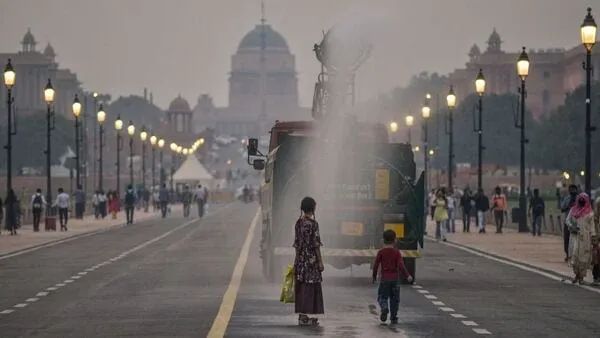
A recent survey has revealed a deeply concerning reality for residents of Delhi-NCR—nearly 75% of households are experiencing health problems due to worsening air pollution levels. With air quality dipping to “severe” levels, citizens report symptoms such as sore throats, burning eyes, persistent headaches, and respiratory discomfort. The findings come as the region grapples with hazardous smog driven by vehicle emissions, crop residue burning, and stagnant weather conditions. As winter sets in, experts warn that the public health emergency may intensify, calling for immediate policy interventions and stricter enforcement of pollution control measures.
Escalating Air Pollution Crisis in Delhi-NCR
As temperatures drop and wind speeds slow, the air quality in Delhi and the National Capital Region (NCR) has once again deteriorated to alarming levels. Monitors across multiple districts recorded Air Quality Index (AQI) readings crossing the “severe” threshold, with fine particulate matter (PM2.5) levels exceeding safe limits by several folds.
The seasonal smog, a toxic mix of industrial emissions, vehicular exhaust, dust, and agricultural residue burning, has blanketed the region, reducing visibility and triggering a fresh wave of health concerns. Public health experts have warned that continued exposure could lead to chronic respiratory illnesses, reduced lung capacity, and long-term cardiovascular damage.
Survey Highlights: Widespread Health Impacts
The latest survey, conducted among urban and suburban households across Delhi-NCR, paints a grim picture of the pollution’s human toll. Nearly three out of four families reported suffering from health-related issues directly linked to poor air quality.
Among the most common symptoms were:
- Sore throats and persistent coughs (68%)
- Burning eyes and skin irritation (62%)
- Headaches and fatigue (55%)
- Breathing difficulties, especially among children and the elderly (49%)
Many respondents also reported increased dependence on air purifiers, masks, and indoor air filters, with a noticeable rise in the purchase of respiratory care products and over-the-counter medications.
Children and Elderly at Highest Risk
Pediatricians and pulmonologists across the region have raised concerns over the disproportionate impact on children and senior citizens. Prolonged exposure to polluted air, especially high PM2.5 and PM10 concentrations, can hinder lung development in children and exacerbate pre-existing conditions such as asthma or bronchitis.
Elderly individuals and those with comorbidities—such as hypertension, heart disease, or diabetes—are particularly vulnerable to particulate exposure, which can trigger inflammation and worsen cardiovascular strain. Several hospitals have reported a noticeable surge in outpatient visits related to respiratory distress, allergic reactions, and eye irritation over the past week.
Economic and Lifestyle Ramifications
Beyond health implications, the worsening air quality carries significant economic and social costs. Increased absenteeism due to illness, reduced outdoor productivity, and lower footfall in commercial spaces are already visible. Small businesses and informal workers—particularly those operating outdoors—are among the hardest hit.
Environmental economists warn that unchecked air pollution can lead to billions of rupees in lost productivity annually, not to mention the healthcare burden placed on both households and the public health system. The economic ripple effects extend to tourism, education, and real estate, as deteriorating air quality erodes the overall livability of the capital region.
Government Response and Policy Gaps
While authorities have rolled out the Graded Response Action Plan (GRAP), including restrictions on construction, industrial operations, and vehicular movement, experts argue that these measures are often reactive rather than preventive. Short-term bans on diesel generators and the closure of schools offer temporary relief but fail to address systemic causes such as unchecked vehicular growth, poor waste management, and lax enforcement of emission norms.
Environmental analysts advocate for a comprehensive regional strategy—involving Delhi, Haryana, Punjab, and Uttar Pradesh—to tackle the root causes of pollution. This includes stricter monitoring of stubble burning, incentivizing cleaner fuels, expanding green buffers, and improving public transportation infrastructure.
Citizens Turn to Self-Protection
Amid official measures, residents have resorted to personal defense mechanisms against toxic air. Demand for N95 masks, air purifiers, and indoor plants has surged, while many households have limited outdoor activities, especially for children and the elderly. Educational institutions have shifted sports and physical education indoors, and offices are adopting hybrid work policies to reduce exposure.
Yet, environmental health experts emphasize that individual precautions cannot replace collective action. Without a sustained, coordinated effort from policymakers, industries, and citizens, the annual pollution crisis will continue to endanger lives and livelihoods across the NCR.
Conclusion: A Public Health Emergency Demanding Urgency
The worsening air quality in Delhi-NCR is no longer a seasonal inconvenience—it is a public health emergency with far-reaching consequences. The revelation that three in four households are already suffering from pollution-related ailments underscores the need for urgent, science-backed intervention.
As India’s economic and political capital, Delhi cannot afford to normalize toxic air as an annual phenomenon. The crisis demands a robust, long-term response—anchored in accountability, clean technology adoption, and citizen participation. Only through decisive action can the region hope to breathe freely again, ensuring that progress does not come at the cost of public health.
Comments