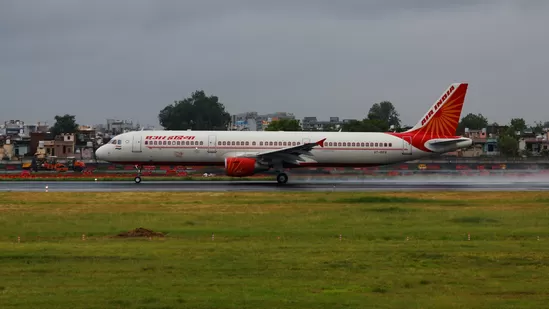
Air India is grappling with escalating operational and regulatory turbulence following the June 12 crash of Flight AI171, a tragedy that has prompted sweeping inspections, cancellations, and regulatory intervention. The latest ripple came with the cancellation of Flight AI2491 from Mumbai to Lucknow on June 17, attributed to the cascading effects of weather-related diversions in Delhi. The Directorate General of Civil Aviation (DGCA) has intensified oversight, calling for detailed pilot training records and conducting fleet checks. Though no major safety violations were uncovered in recent audits, the regulatory body remains concerned about systemic weaknesses in the airline’s maintenance and coordination protocols.
Flight AI2491 Cancellation Highlights Operational Fragility
The disruption of Air India Flight AI2491 from Mumbai to Lucknow on June 17, 2025, illustrates the growing strain on the airline’s operations. Citing “operational reasons” linked to adverse weather in Delhi, the carrier explained that multiple diverted flights had disrupted crew schedules. Regulatory limits on flight duty time prevented the original crew from operating, and replacement personnel could not be assembled promptly due to the ongoing weather-induced delays.
In a statement, the airline said, “Delayed arrival of diverted flights led to the operating crew coming under regulatory flight duty time limitations norms. Replacement crew could not be immediately arranged due to the weather-related delays and disruptions.”
Passengers affected by the cancellation were offered full refunds or complimentary rescheduling options. Hotel accommodations were provided, and Air India assured that efforts were underway to transport passengers to Lucknow at the earliest possible time.
Cascading Disruptions Continue Post-Ahmedabad Crash
The AI2491 cancellation was not an isolated incident. On the same day, seven international flights were also called off, pushing the total number of cancellations past 80 since the fatal crash of AI171. The June 12 tragedy—where a Boeing 787 Dreamliner crashed shortly after takeoff from Ahmedabad en route to London—claimed more than 270 lives and became the airline’s most catastrophic event since its acquisition by the Tata Group in early 2022.
In response, the DGCA ramped up oversight, inspecting Air India’s operations and grounding flights deemed non-compliant with safety protocols. Six flights were specifically canceled due to the ongoing audits. Meanwhile, a San Francisco–Kolkata–Mumbai service was terminated prematurely in Kolkata after an engine issue emerged onboard a Boeing 777-200. Separately, the Ahmedabad to London Gatwick service was scrapped due to aircraft unavailability, further compounding operational pressures.
DGCA Demands Greater Accountability and Systemic Overhaul
The Directorate General of Civil Aviation convened urgent meetings with top officials from both Air India and its low-cost subsidiary, Air India Express, which handles over 1,000 flights daily. According to DGCA, these interactions aimed to assess “operational robustness” and verify adherence to passenger service and safety standards.
The regulator explicitly requested access to the training records of the pilots and dispatchers assigned to the ill-fated AI171. Furthermore, it flagged concerns over recent maintenance lapses and called for immediate improvements in coordination among engineering, operations, and ground-handling departments. It also urged the airline to ensure sufficient availability of spare parts to minimize disruptions.
In its official remarks, DGCA said, “The recent maintenance-related issues reported by Air India are cause for concern. The airline must strengthen internal coordination across departments and ensure operational integrity going forward.”
Inspection Findings: No Immediate Safety Breaches, But Vigilance Needed
Despite the scrutiny, DGCA’s preliminary findings did not reveal critical safety deficiencies within Air India’s Boeing 787 fleet. The aircraft and maintenance systems were found to be in compliance with existing safety standards. However, this affirmation has not quelled broader concerns about the airline’s internal preparedness and response mechanisms.
The regulator has emphasized that, while current fleet conditions do not warrant grounding, persistent gaps in execution and oversight must be addressed swiftly to restore public confidence and ensure flight reliability.
Conclusion: A Critical Juncture for Air India’s Post-Privatization Legacy
Three and a half years into its privatization under the Tata Group, Air India now faces its most serious test—balancing crisis management, regulatory compliance, and passenger trust. While DGCA’s inspections have so far cleared the airline of immediate safety violations, the pressure is mounting for systemic reforms.
From weather-related flight crew shortages to mechanical snags and cancellations, operational fragility is under the spotlight. As the carrier prepares to expand internationally and integrate more advanced aircraft into its fleet, rebuilding resilience, coordination, and transparency will be paramount.
Air India must not only reassure regulators—it must also restore the confidence of passengers whose loyalty hinges on reliability, safety, and accountability.
Comments