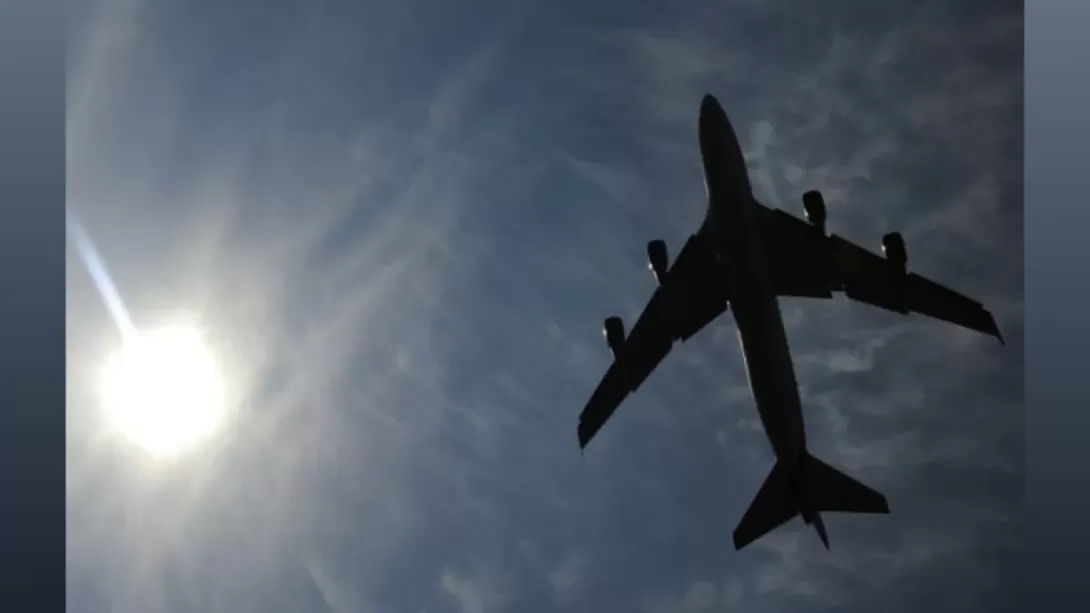
Operations at Ahmedabad’s Sardar Vallabhbhai Patel International Airport resumed on Thursday with limited flight services, hours after a tragic crash involving an Air India Boeing 787-8 Dreamliner bound for London Gatwick. The aircraft, carrying 242 passengers and crew, went down shortly after takeoff, crashing into a nearby residential neighborhood. A ‘Mayday’ distress signal was issued moments before the disaster. Emergency protocols were activated, and airport operations were temporarily suspended. While recovery efforts continue and investigations are underway, authorities have urged passengers to consult their airlines for real-time updates. The crash has prompted renewed scrutiny of aviation safety protocols and emergency response systems.
Flight Disruption and Gradual Resumption
The airport, one of Gujarat’s busiest aviation hubs, experienced a complete halt in operations after the early morning crash. The aircraft had barely left the runway before issuing an emergency ‘Mayday’ call, signaling imminent danger to Air Traffic Control. In response, all departures and arrivals were suspended as emergency personnel rushed to the crash site.
By late afternoon, the airport reopened for limited services. A spokesperson confirmed that operations had resumed under a phased strategy to ensure safety and logistical readiness. “Sardar Vallabhbhai Patel International Airport, Ahmedabad, is now operational with limited flights,” the official stated.
Travelers were advised to contact their respective carriers to verify flight status before heading to the airport. Several domestic and international airlines adjusted schedules or rerouted flights as a precautionary measure.
The Crash: Timeline and Immediate Impact
The ill-fated Boeing 787-8, en route to London Gatwick, crashed in a densely populated residential neighborhood shortly after takeoff. Initial reports indicated numerous casualties, though an official toll had not yet been released at the time of writing.
According to Air Traffic Control, the pilot issued a ‘Mayday’ distress signal—denoting a critical emergency—within minutes of departure. The aircraft then lost radar contact, confirming the worst fears of aviation authorities and rescue teams.
Emergency responders, including local fire departments, medical teams, and disaster management units, were swiftly mobilized. The scene was cordoned off to facilitate rescue efforts and begin the process of identifying victims and survivors.
Passenger Safety and Airline Response
Air India has yet to release a detailed statement on the incident. However, early indications suggest the crew attempted to return to the airport before the crash. The airline’s crisis response team is reportedly coordinating with local authorities, hospitals, and family members of passengers aboard the flight.
Passenger manifests are being reviewed, and helplines have been set up to provide information to concerned relatives. As of now, the identities and nationalities of those on board have not been officially disclosed.
Operational and Regulatory Ramifications
This tragedy has prompted calls for a thorough investigation into the aircraft’s maintenance records, flight data, and black box contents. The Directorate General of Civil Aviation (DGCA) is expected to lead the inquiry in collaboration with Boeing and international aviation safety bodies.
Aviation analysts note that while the Boeing 787-8 Dreamliner is generally considered a reliable aircraft, incidents like these highlight the critical importance of ongoing training, rigorous inspections, and responsive air traffic control systems.
Meanwhile, airport operations remain constrained. Authorities have committed to maintaining stringent security checks and safety assessments as a prerequisite to scaling up flight frequency in the coming days.
Looking Ahead: Safety, Recovery, and Accountability
As the nation grapples with the aftermath of the disaster, industry stakeholders are urging calm and calling for fact-based investigations. The aviation sector, already under immense pressure due to fluctuating demand and high operational costs, now faces renewed scrutiny over safety measures.
The incident underscores the need for real-time communication between airlines and passengers, robust emergency response strategies, and transparent regulatory oversight. The coming days will reveal more about what went wrong—and how such tragedies can be prevented in the future.
Comments